
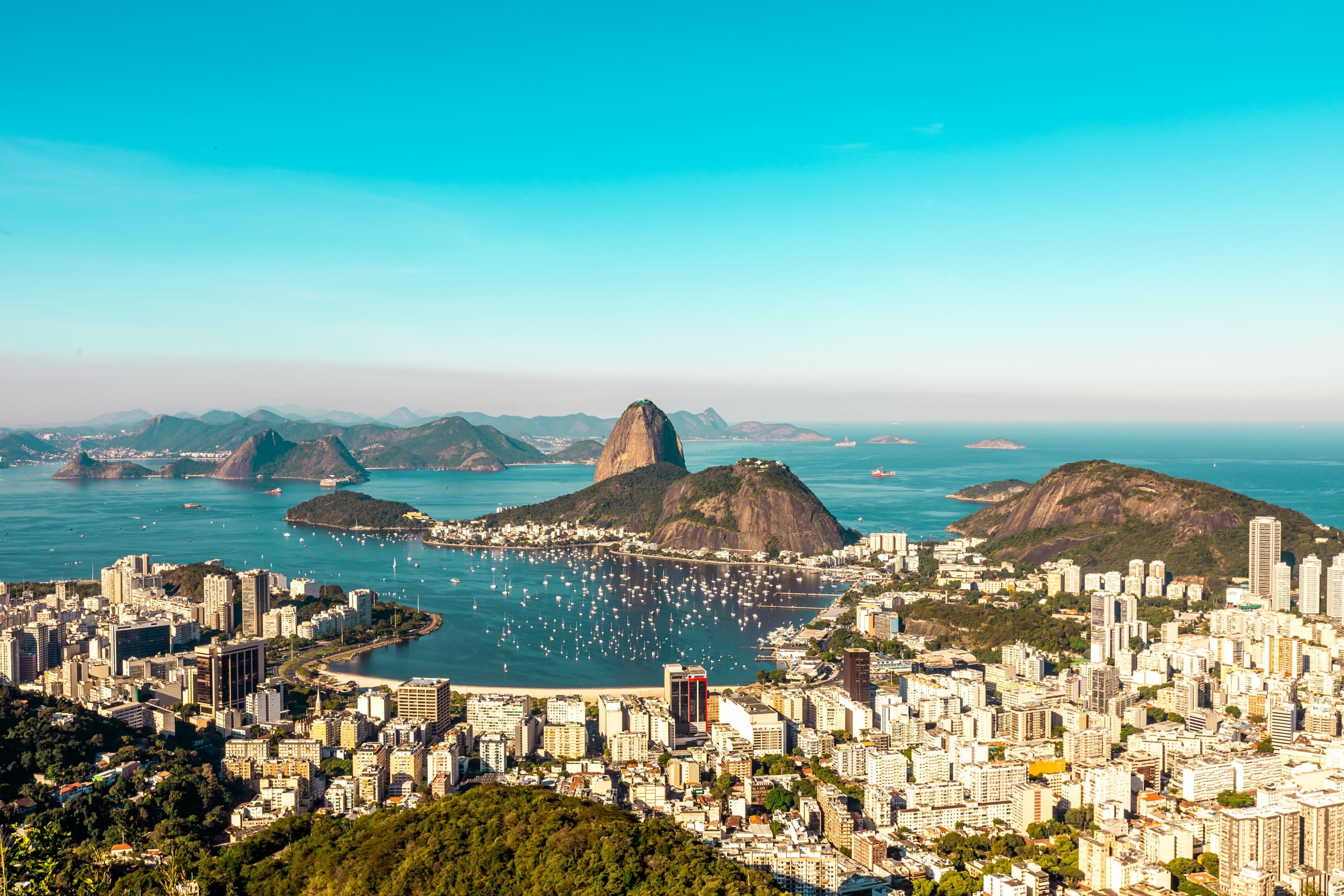
Brazil
Brazil
Energy, beaches and tropical nature
Brazil is an overdose of life. From the endless beaches of the Nordeste to Rio's electric energy, from the Amazon rainforest to the white dunes of the Lençóis: this country is a non-stop show that never brings down the curtain.
At a glance
Exchange rates and flight times are approximate.
Why Brazil
Rio & the coast
Christ the Redeemer, Copacabana, but above all the morros, samba in the backstreets and the botequins where you sip a caipirinha as the sun goes down.
The Lençóis Maranhenses
Thousands of white dunes dotted with turquoise lagoons. A landscape you'll see nowhere else, and only a few months a year.
Salvador & the Nordeste
The Afro-Brazilian soul, the music, capoeira in the streets of the Pelourinho. Brazil at its most authentic, colorful and vibrant.
The right season for Brazil
May to September: the dry, cooler season in the South/Southeast and Centre (Rio, Iguazu, the Pantanal); the Amazon stays hot and humid year-round; the Nordeste (Bahia) is rainier from April to July. Avoid December-February (extreme heat, tropical rains). Rio in the Brazilian summer means peak crowds and high prices. Lençóis Maranhenses: accessible May-September only (tracks impassable in the rainy season). Amazonas: best reached June-November (low water, wildlife easier to spot).
A vast tropical and subtropical country: a hot, humid Atlantic coast (25-35°C), the Amazon always hot and humid (25-28°C), a drier interior. Pack high-SPF sunscreen, light clothing and a rain jacket (tropical downpours are short but intense). Aggressive mosquitoes: repellent is essential.
The must-sees
Christ the Redeemer (Rio)
The iconic statue atop Corcovado mountain. A panoramic view over Rio, Copacabana and Guanabara Bay at sunset: a legendary moment.
Lençóis Maranhenses (Maranhão)
A 155 km² desert of white dunes laced with turquoise lagoons. A geological landscape unique in the world, accessible May-September only, by jeep or buggy.
Amazonas & Manaus
The rainforest from river lodges, boat cruises, time with local guides. The meeting of the Rio Negro and the Solimões, Amazonian wildlife: pink river dolphins (botos), monkeys, caimans and birds are commonly spotted; jaguars and anacondas stay well hidden (jaguars are best seen in the Pantanal).
Salvador & Pelourinho
The historic Afro-Brazilian capital, a colourful city perched on a hill. Capoeira in the streets, music, Bahian cuisine, the beaches of Farol da Barra.
Iguazu (Brazil/Argentina border, near the Triple Frontier with Paraguay)
One of the largest waterfall systems in the world (up to 275 falls over ~2.7 km). The Brazilian side offers the sweeping panorama; the Argentine side takes you walking through the heart of the jungle. Unmissable.
Boipeba Island & Morro de São Paulo
Small, unspoiled islands of the Nordeste: deserted beaches, artisanal fishing, sleepy villages. An authentic alternative to crowded Bahia.
Local flavours to try
- Feijoada: a rich black stew of beans and meats, the national dish. Served on weekends with rice, farinha and orange slices.
- Moqueca: a fish (or seafood) stew simmered in coconut milk and dendê (palm) oil, a Bahian coastal speciality, served with rice
- Coxinha & pastel: fried croquettes filled with shredded chicken, delicious street food found on every corner.
- Açaí bowl: the purple berry blended into a thick sorbet, topped with granola and fruit, the classic beach breakfast.
- Caipirinha: cachaça (sugarcane spirit) + lime + sugar. Best sipped in a botequim at sunset.
- Brigadeiro: a small truffle of sweetened condensed milk cooked with cocoa, rolled in chocolate sprinkles, a party staple
Practical tips
- Language: Portuguese spoken at a fast clip. Learning 10-15 key words (oi, obrigado, quanto custa, desculpa) shows respect and makes everything easier.
- Transport: long-distance buses are comfortable and punctual between cities; domestic flights recommended for Lençóis/the Amazon (economical vs 24 h on the road). Uber works well in city centres, less so on the outskirts.
- Urban safety: Rio/Salvador/São Paulo = basic street smarts (no flashy jewellery, no isolated areas at night). Tourist zones are safe. Favelas: only with a licensed guide.
- Money: withdraw from ATMs (prefer Banco do Brasil, Bradesco, Santander) but local fees often apply per withdrawal, on top of your own bank's: take out medium amounts rather than several small ones. Visa/MC cards are accepted everywhere, but keep some cash (small notes). Tipping: 10% for meals, 5% for taxis.
- Plugs & electricity: 127–220 V depending on the region (60 Hz). Type N sockets (round pins, NBR 14136 standard). A type N adapter is essential; check the local voltage before plugging in any device that isn't 100-240 V compatible
- Health: stick to bottled or filtered water everywhere, including in cities, and avoid ice of uncertain origin in rural areas or the Amazon. Dengue and Zika remain rare but possible: repellent and long sleeves at dawn and dusk.
Frequently asked questions · Brazil
When is the best time to visit Brazil?
May to September: drier climate, less humidity, less rain. Note that Lençóis Maranhenses is only accessible May-September (tracks flooded afterwards). Rio in August strikes a good balance of warmth and prices. December-February = heavy tropical rains, extreme heat (32-38°C), massive crowds. April and October = shoulder months with some rain but fewer people.
Do I need any vaccines for Brazil?
None are mandatory for EU citizens. Yellow fever is strongly recommended (free of charge) if visiting the Amazon/North. It protects against neither dengue nor Zika: for those, only mosquito protection (repellent, covering clothing) works. Malaria risk is low on the Atlantic coast; antimalarials for the deep Amazon (ask your doctor).
How much does the flight from Luxembourg cost?
€300–500 (economy) for a return flight with 1-2 stopovers. There are no direct flights from Luxembourg: connect through Paris CDG, Lisbon or Madrid (TAP, Air France, Iberia). Average budget: €400–600, total journey time 12-16 h with a stopover.
Is Brazil dangerous? Can you travel solo?
The tourist coast (Rio, Salvador, Bahia's beaches) is safe with basic street smarts (no isolated areas at night, no jewellery). Solo women: doable, but better in a group or on an organised tour for Lençóis/the Amazon. Avoid favelas without a licensed guide. Secondary cities (Manaus, Fortaleza): fine in the city centre, less so late at night.
How many days for a proper trip to Brazil?
10–14 days minimum (long flight, jet lag). Classic itinerary: 3 days Rio + 2 days Lençóis/Maranhão + 2 days Salvador/Bahia = a 7-day core. Add 3-4 days in the Amazon for a full 12–14 day circuit. Under 7 days = Rio only (disappointing for a curious traveller).
What language do they speak? Is English widespread?
Brazilian Portuguese (a distinct accent and rhythm from Portugal's). English is very limited outside upscale hotels and central tourist areas. Learning 15-20 basic words + a translation app (DeepL, Google) = essential for getting out of a jam. Locals genuinely appreciate any effort in Portuguese.
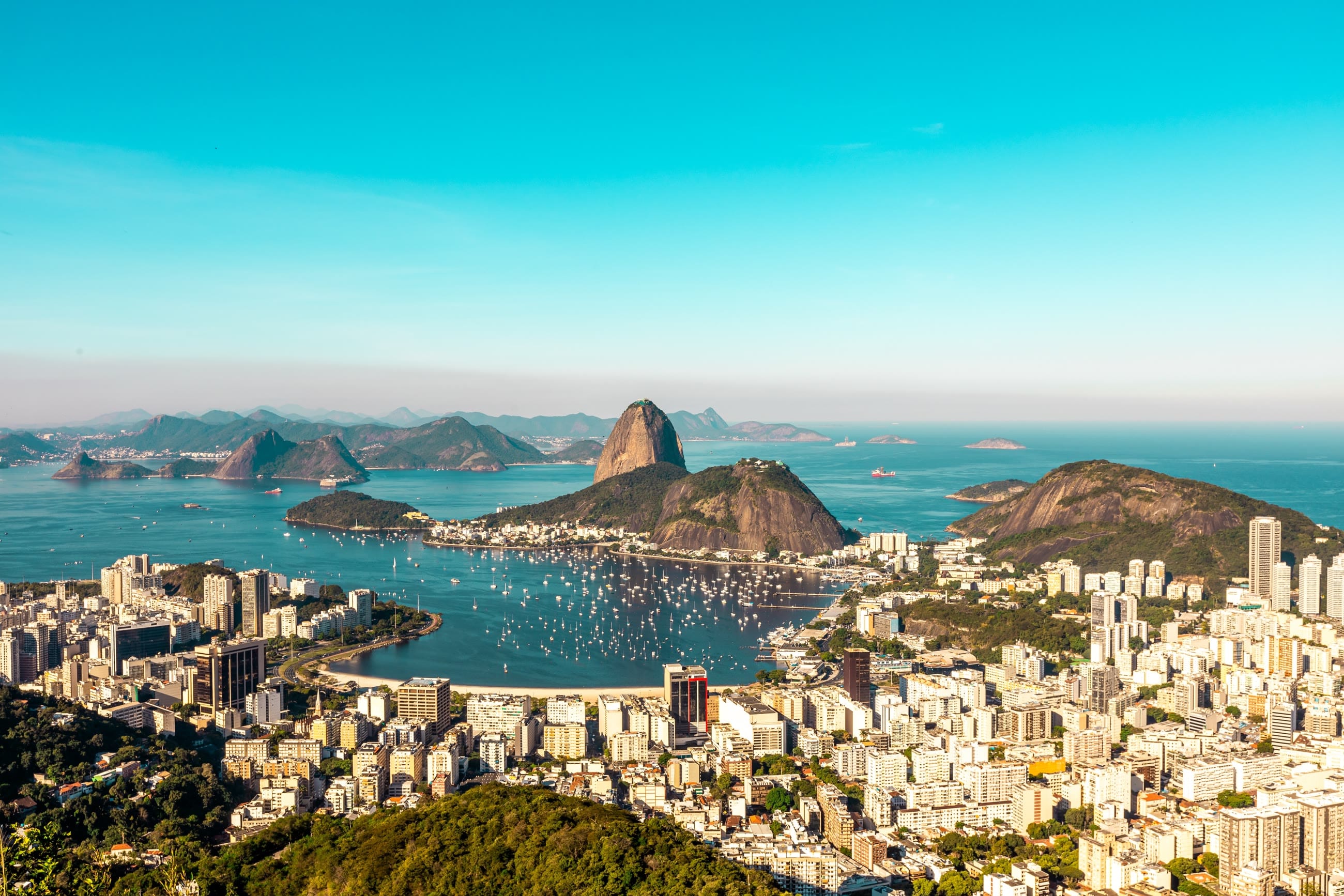
Brazil is immense. We design the trip that fits you, not the one everyone else takes.
Browse a sample handbook