
China
China
Mega-cities and iconic landscapes
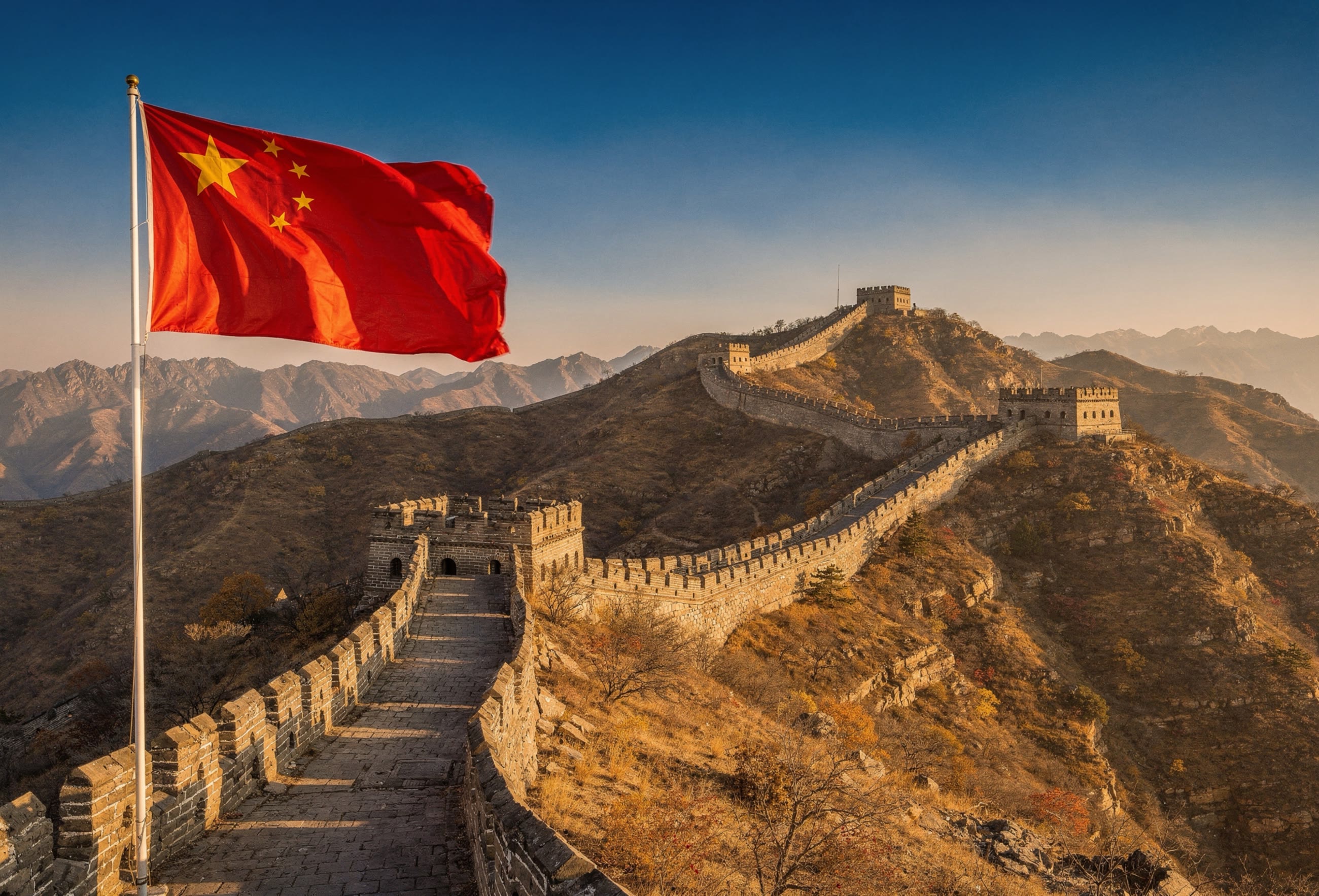
China is a permanent head rush. From futuristic megacities to the misty mountains of Guilin, from the Great Wall to Beijing's centuries-old hutongs: this country is a journey through time and space, on a scale beyond imagination.
At a glance
Exchange rates and flight times are approximate.
Why China
Beijing & Shanghai
The Forbidden City facing the skyscrapers of Pudong. Two cities, two eras, one country. The contrast is striking.
Guilin & Yangshuo
Karst peaks rising out of the rice paddies and the mist. A Chinese ink painting, in real life.
Regional cuisine
Peking duck in Beijing, dim sum in Guangzhou, hot pot in Sichuan. Every province has its own cuisine, and none of it tastes like anything you know.
The right season for China
April-May and September-October. Spring and autumn bring ideal weather (20-25°C), clearer air and thinner crowds than in summer. Avoid July-August (sweltering humidity, pollution) and winter (dry cold, much of Guilin shuts down). Chinese holidays (Chinese New Year, early October) flood the entire country: plan around them.
Continental climate in the north (Beijing: dry winters, humid summers), subtropical in the south (Guangzhou, Shanghai: near-constant humidity). Bring adaptable layers in spring and autumn. In winter, hotel radiator heating can be brutal; keep well hydrated.
The must-sees
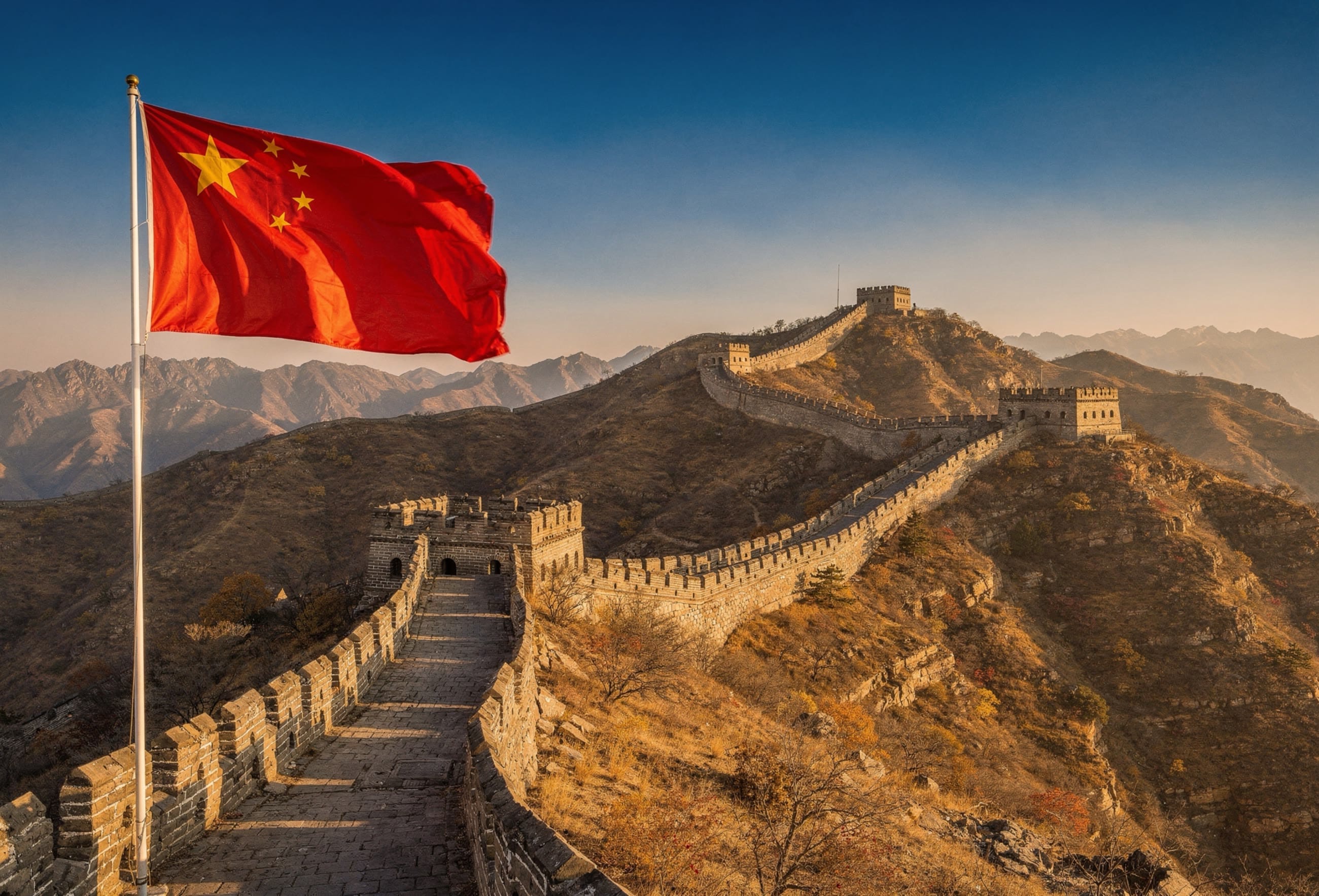
The Great Wall (Mutianyu or Jinshanling)
Not the crowded Badaling stretch, but the quieter sections reachable from Beijing: spectacular hikes and viewpoints without the mass selfies.
Guilin & Yangshuo
The karst peaks of classical Chinese paintings actually exist. A Li River cruise at sunset, kayaking past floating villages: a landscape that barely seems real.
The Forbidden City, Beijing
A colossal imperial palace in the heart of the city. Forget the morning (crowds): arrive at 4:30pm for the final 2 hours, golden light included.
Xi'an & the Terracotta Army
8,000 soldier statues buried for 2,200 years. An archaeological site that alone justifies a detour to the country's north.
Modern Shanghai & the old lanes
Pudong's skyscrapers by day, the lilong (Shanghai's old alleyways, shikumen architecture) and the Bund by night. The China of tomorrow and the China of yesterday within 10 km²: a contrast that never stops fascinating.
The Yunnan rice terraces (Yuanyang)
Flooded terraces mirroring the sky at sunrise, the Hani minority, local markets: one of the most beautiful agricultural landscapes on earth.
Local flavours to try
- Peking duck in Beijing (Quanjude, a recipe dating back to 1339): an age-old technique, crispy skin, delicate meat, served with thin pancakes
- Sichuan hot pot (mala means numbing-spicy, thanks to Sichuan peppercorns): a bubbling central broth where you cook your own meat and vegetables
- Dim sum in Canton (Guangzhou): small steamed baskets, shrimp dumplings, bird's nest, pork balls, best enjoyed early in the morning
- Chongqing noodles & mapo tofu: spicy noodles in a fiery red sauce; mapo tofu is silken tofu in a hot ginger and Sichuan pepper sauce
- Xiao long bao in Shanghai: steamed dumplings filled with broth and pork or shrimp, eaten in one bite with a soy and vinegar dip
- Pu'er tea (Yunnan): slow fermentation, a deep earthy taste, best sipped in a traditional old-town teahouse
Practical tips
- Download WeChat & Alipay (hardly any restaurant still takes cash in Beijing/Shanghai). Get local contacts or your hotel front desk added so you can make transfers.
- A visa for the Internet: a VPN is essential for Gmail, Google Maps and Instagram. Chinese mapping apps (Baidu Maps) work better than Google.
- High-speed rail (CRH): book tickets in advance via 12306.cn or through your hotel. Beijing-Shanghai (4-5 h) and Guilin-Xi'an routes are fast, comfortable and cheaper than domestic flights.
- Power sockets: Type I (slanted flat pins in a V shape) and Type A. European round-pin plugs (C/E/F) don't fit: bring an adapter (sold everywhere, including at the airport). Voltage 220V/50Hz: your European devices will work, only the plug adapter is needed.
- Tipping: not customary in China (except some high-end restaurants that accept it). Service is included everywhere; leaving coins can even come across as an insult.
- Travel insurance: private hospital care is expensive. Check that your policy covers air repatriation and medical expenses up to at least €500k.
Frequently asked questions · China
Can I travel solo in China? Is it safe?
Yes, China is very safe. Violent crime against tourists is virtually nonexistent. Petty theft is rare. Watch out mainly for fake-taxi scams at the airport (use the Didi app, an official taxi or your hotel shuttle). The language barrier is real but manageable with a translation app.
How long do I need to cover the essentials?
12-14 days minimum to fit in Beijing (3 days), Shanghai (3), Guilin/Yangshuo (3) and Xi'an (2). Any less and you spend your trip in transit. With more time, add Chengdu (pandas, architecture), Hangzhou (West Lake) or Yunnan (ethnic minorities).
Is pollution in Beijing really a problem?
April-May and September-October: air quality is generally decent (60-100 AQI). June-August: variable; frequent rain, but pollution can linger. Winter is the worst (urban heating plus weather). Avoid it if you have serious respiratory sensitivities. An FFP2 mask costs nothing to keep in your bag.
Do I need a local guide for the Great Wall or the small villages?
Not essential for the touristy sections (transport and signage are fine). But a local guide makes the experience incomparably richer: stories, access to rural families, hidden detours. Around €50-80/day. We can arrange this for you, tailor-made.
Which region should I start with? Isn't the north too cold?
Start in the south if climate matters: Shanghai → Guilin → Yangshuo → Hong Kong (separate border and immigration from mainland China, so plan for a border crossing, and note that WeChat/Alipay and 12306 don't work the same way in HK). Milder weather, unforgettable landscapes, smaller crowds than Beijing. Or balance north and south: Beijing (4 days) + Shanghai (3) + Guilin (3), in April or October.
Do tourist restaurants really charge tourists more than locals?
Rarely in any formal way. But yes, English menus tend to mean higher prices. Find the less touristy spots via Dianping (China's go-to review app, reliable ratings), ask a local for tips or eat where the neighborhood eats. You'll often cut the bill in half or by two thirds, for far better food.
China is a world of its own. We trace the thread so you don't get lost, or get lost the smart way.
Browse a sample handbook