
Croatia
Croatia
Islands, old stone towns, crystal-clear sea
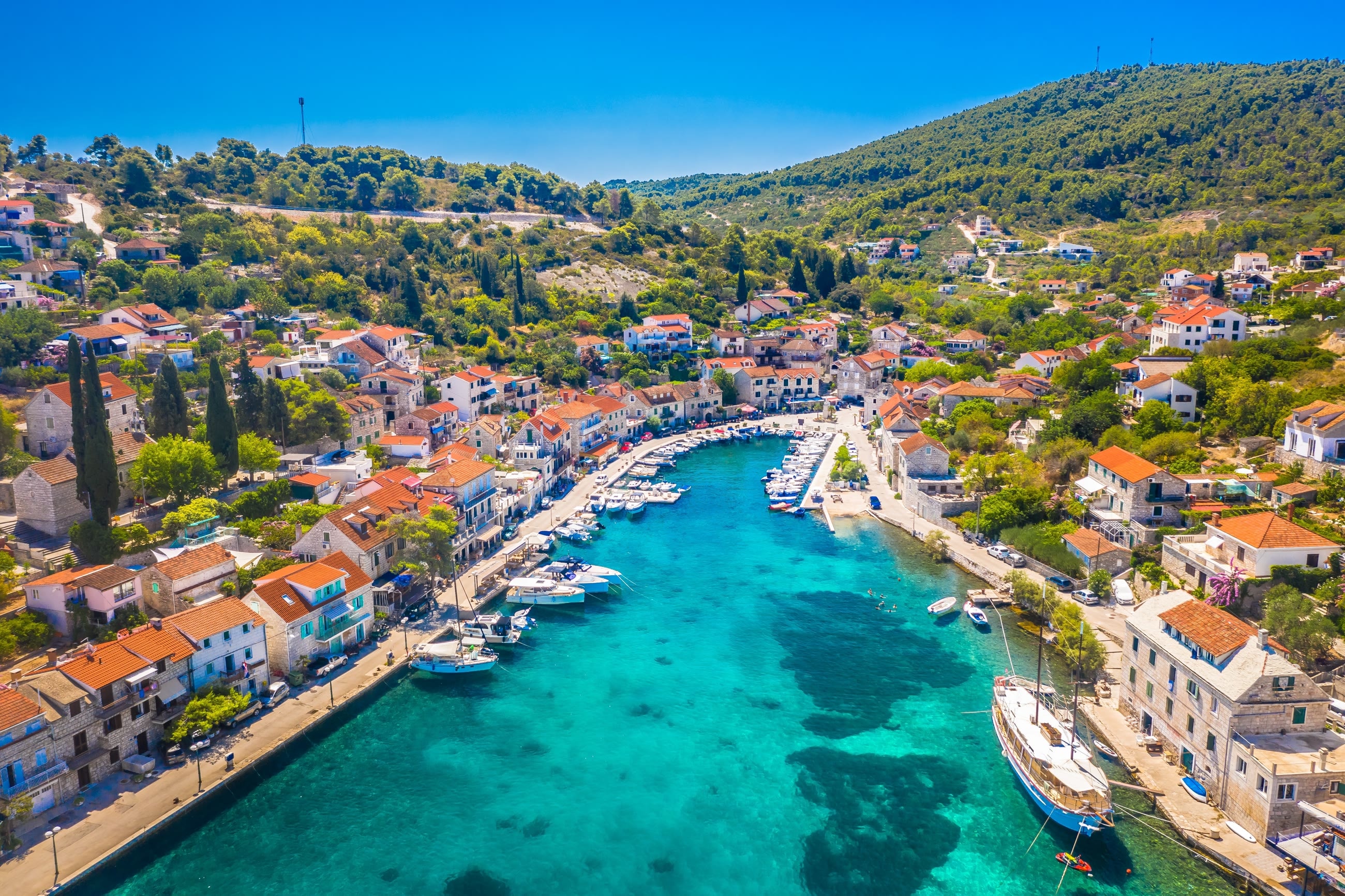
Croatia is so much more than Dubrovnik. Beyond the ramparts lie silent islands, vineyards facing the sea, and that Adriatic light that turns every late afternoon into a painting.
At a glance
Exchange rates and flight times are approximate.
Why Croatia
The lesser-known islands
Vis, Lastovo, Korčula: far from the yachts, secret coves where time slows down between pine trees and crystal-clear water.
Dubrovnik, differently
Everyone knows the ramparts, but not the hidden terraces at sunset or the wine bars tucked into stone alleyways.
Plitvice & the hinterland
Emerald waterfalls deep in the forest, and Istrian villages where you savor truffles just like in Italy, without the price tag.
The right season for Croatia
May–October, ideally May-June and September-October. July-August: intense heat (35°C), packed beaches, high prices; avoid it unless you love crowds. June and September offer the best balance: warm water, fewer tourists, perfect light.
Mediterranean on the coast: hot, dry summers, mild wet winters. More continental inland. Pack sun protection in summer; on the coast, the bora (a cold north-easterly wind) can catch you off guard in spring and autumn.
The must-sees
Dubrovnik & its city walls
Touristy, yes, but deservedly so: 15th-century walls with 360° views, stone alleyways, sunset from Lovrijenac. Off season (May or October) or late in the afternoon, it's still magical.
The Dalmatian islands (Vis, Lastovo, Korčula)
Far from the yachts and the crowds. Secret coves you reach on foot, vineyards facing the sea, untouched fishing villages. 1.5 to 3 hours by catamaran from Split (Korčula: around 2 hours from Dubrovnik).
Plitvice Lakes
Emerald waterfalls deep in the forest, wooden boardwalks, protected wildlife. A major UNESCO site, best in May-June or September to dodge summer's 15,000 daily visitors.
Istria (Rovinj, Grožnjan, Motovun)
A picturesque Venetian coastline, black truffle, under-the-radar vineyards, artists' villages. The Adriatic's little Gstaad, without the Swiss prices.
Split & Diocletian's Palace
Less museum-like than Dubrovnik: a 4th-century Roman palace that grew into a living neighbourhood. Cafés, restaurants, genuine local life.
The Dalmatian coast between Zadar and Trogir
Lesser-known coastal towns (Zadar, Trogir, Šibenik), quiet beaches, and the Kornati islands for diving and kayaking.
Local flavours to try
- Pašticada (beef stew in a sweet-and-sour sauce): the celebration dish, slow-simmered and served with fuzi (homemade pasta).
- Hobotnica ispod peke / salata od hobotnice (octopus baked under the bell or served as a salad): octopus, olive oil, capers, potatoes, a Dalmatian speciality.
- Istrian truffles and cheeses: black and white truffles (Motovun region) shaved over fresh pasta (fuži) or eggs, paired with local cheeses.
- Dalmatian white wine (Vugava, Pošip): little-known local grape varieties, light and mineral, perfect with seafood.
- Brodet (coastal fish stew): every region has its own version, always generous with fish varieties and vegetables.
- Kremšnita (creamy custard slice) & Dobos torta: Austro-Hungarian heritage pastries from Zagreb's historic cafés.
Practical tips
- Rent a car: the coastal roads are superb, and you get total freedom to explore islands and off-the-beaten-track villages. Buses exist but won't get you to the secret coves.
- Money: the euro is the official currency (since 2023), so no exchange needed from Luxembourg. Cards accepted everywhere, ATMs widespread. Tipping is optional; 10% is appreciated in restaurants.
- Power sockets: 230V, type C/F plugs (Europlug), same as in Luxembourg.
- Mobile apps: “Transport Portal” for buses, ferries and regional timetables. Google Maps works everywhere, islands included.
- Safety: very safe, only petty crime. Watch out for street theft in Dubrovnik/Split in high season (phone snatching).
- Time difference with Luxembourg: none (same CET zone). No jet lag, your sleep stays intact from day one.
Frequently asked questions · Croatia
When should I go to avoid the tourists?
May, June and September-October. July-August: 15,000+ daily visitors in Dubrovnik, 35°C heat, prices up 40%. Off season (November-April): the towns empty out and some restaurants and hotels close, but it's beautiful if you love the quiet.
Is Dubrovnik really worth it?
Yes, but don't build your whole trip around it. 2-3 days at most. The walls at sunrise or in the late afternoon (4-6pm) are still spectacular. Then Vis, Lastovo or Plitvice give you back the authentic Adriatic.
Do I need to speak English?
Yes, it's widely spoken in tourism (hotels, coastal restaurants). Croatian helps in inland villages and for greetings. Three Croatian words open every door: hvala (thank you), molim (please), dobar dan (hello).
Realistic budget for 10 days as a couple?
€3,000–4,500 all in (flights, 3* hotel, restaurants, ferries, entrance fees, car). Cheaper than Italy, pricier than Albania. Eat local and stay off the beaten track: guaranteed savings.
Can I combine it with Italy or Albania?
Croatia-Italy: yes, easily (Split-Ancona ferry, 10 hours). Croatia-Albania: doable with 14+ days (a 2-hour flight from Dubrovnik to Tirana). Croatia on its own: 7–14 days is ideal if you want room to breathe.
Which region if time is short?
4–5 days: Dubrovnik + 2 islands (Vis, Lastovo). 7–10 days: Dubrovnik, the islands, + Plitvice or Split. 14+ days: the full circuit (Istria, coast, islands, lakes). No car? Stick to Dubrovnik-Split-islands (daily ferries).
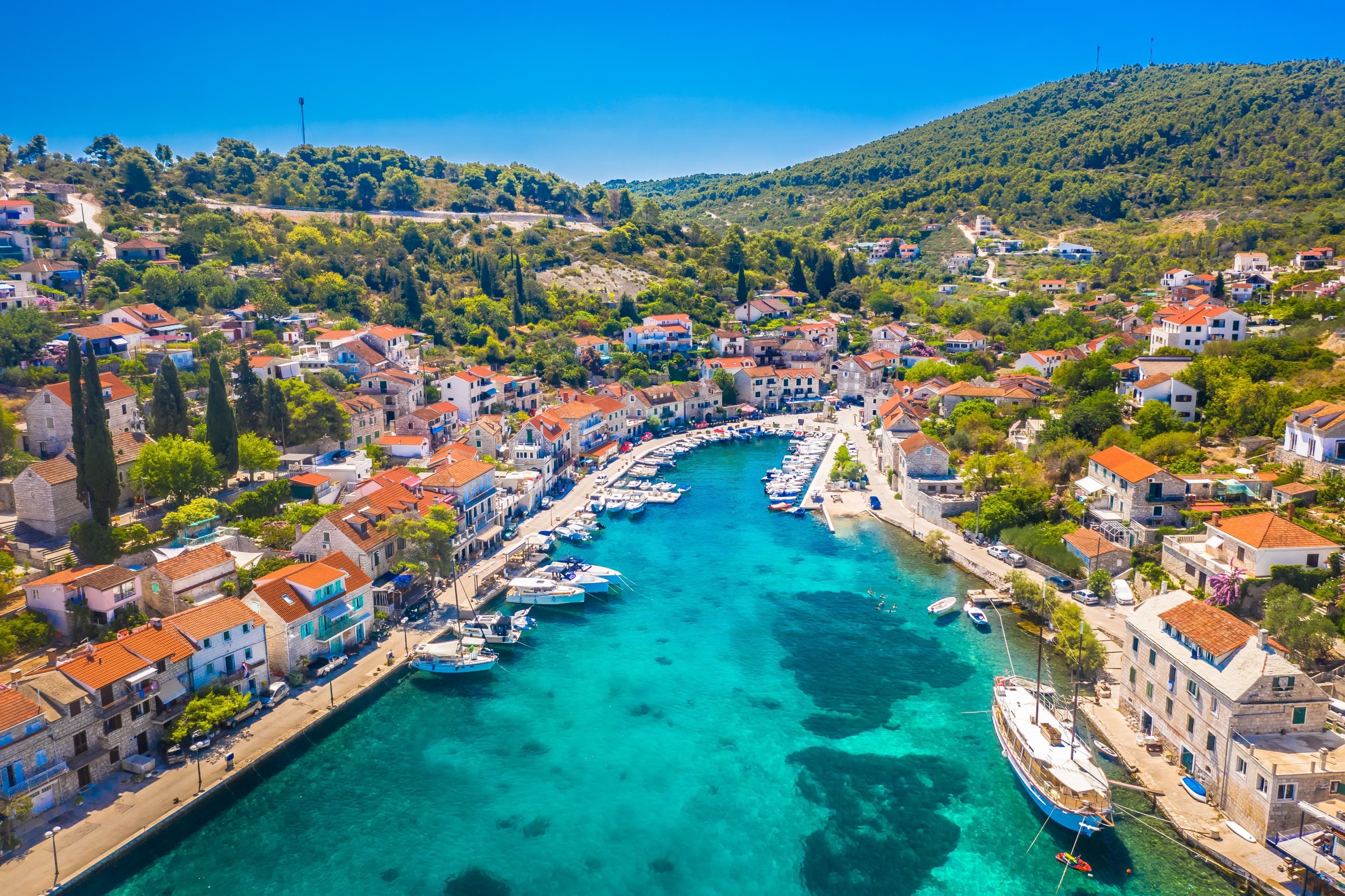
The Croatia we plan for you isn't the one in the brochures. It's the one you keep to yourself.
Browse a sample handbook