
Ireland
Ireland
Cliffs, pubs and coastal roads
Ireland is that light that changes ten times a day, cliffs plunging into the Atlantic, and a pub where a stranger buys you a pint while telling you the story of his village. Here, the landscape and the people are one and the same.
At a glance
Exchange rates and flight times are approximate.
Why Ireland
The Wild Atlantic Way
2,500 km of wild coastline, from secret coves to monumental cliffs. One of the most beautiful road trips in the world.
Pubs & live music
Galway, Dingle, Doolin: villages where traditional music rings out every evening and where the Guinness just tastes different.
Connemara & the islands
Dark lakes, sheep on the road, the windswept Aran Islands. Ireland at its most authentic.
The right season for Ireland
May to September, the Irish summer: long days (up to 17 h of daylight), mild temperatures (15-18°C), less rain. Avoid November to January (grey, wet, very short days). April-May and September-October also offer beautiful light and fewer tourists.
Temperate oceanic climate: frequent but often brief rain. Pack a waterproof and layers. The wind is constant, and it's what makes the light so special. No extremes, never too hot or too cold.
The must-sees
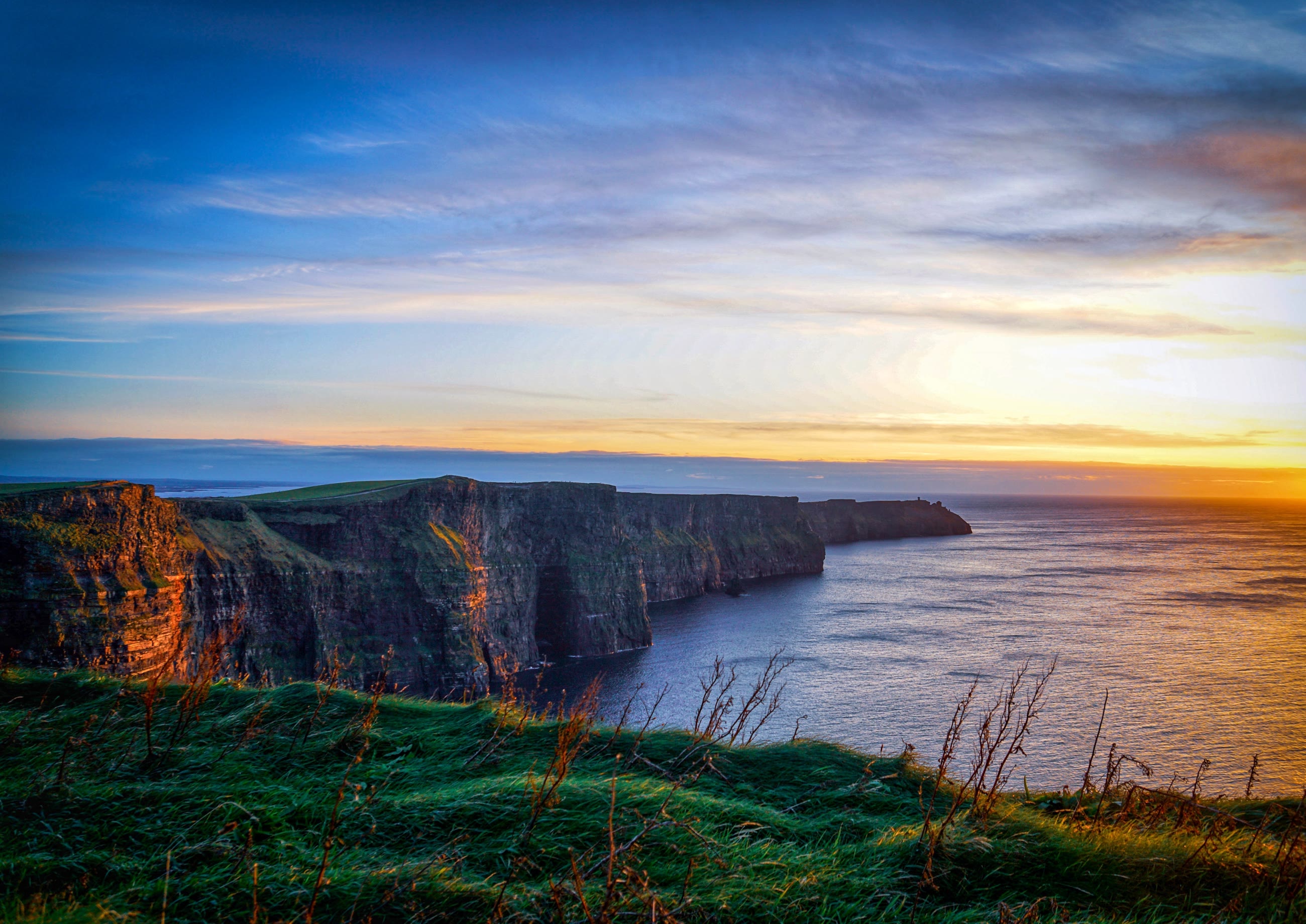
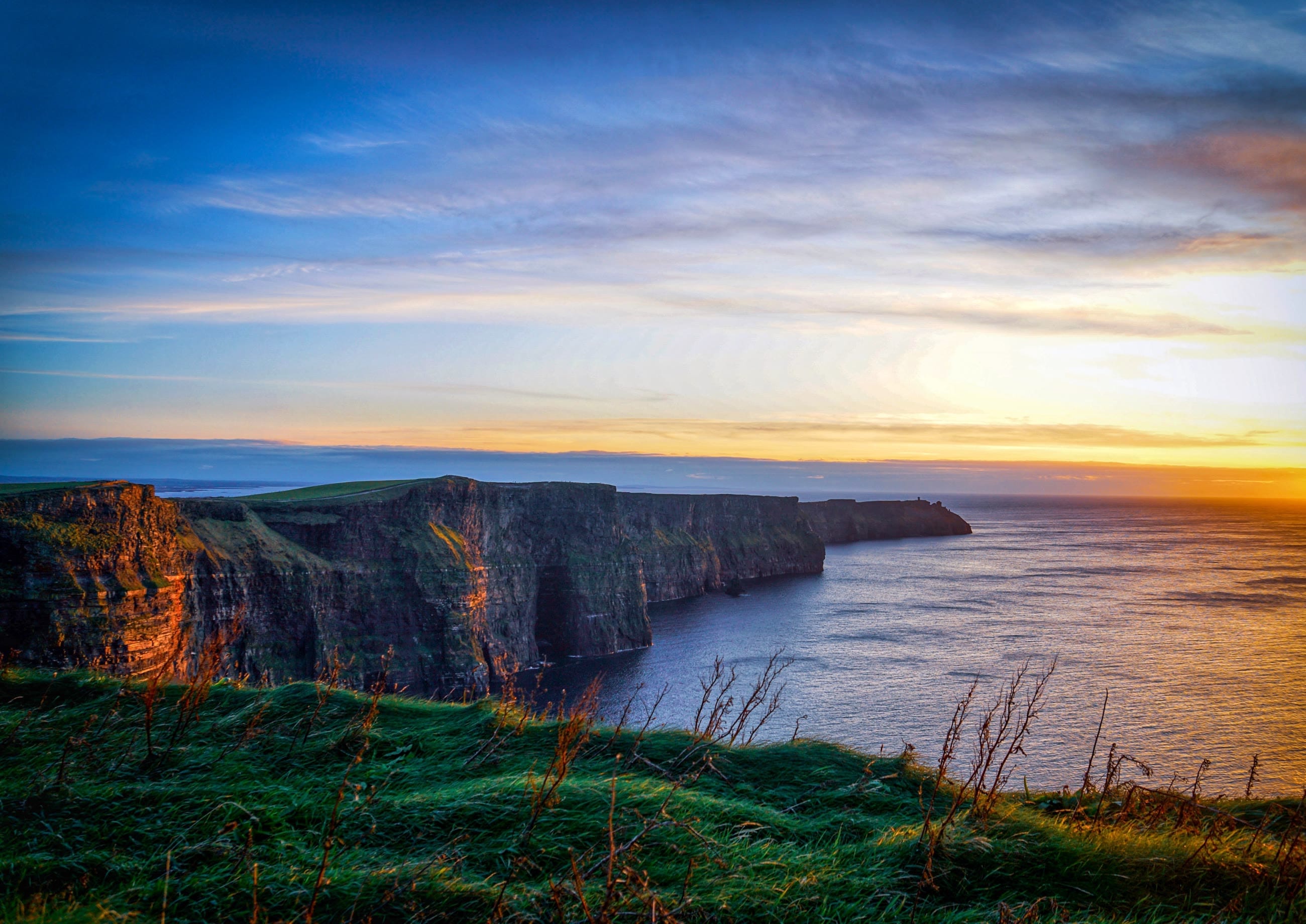
Cliffs of Moher
214 m of stone ramparts facing the Atlantic. At sunset, the light skims along the cliff and you just stand there, speechless.
Wild Atlantic Way
2,500 km of wild coastline from Donegal to Cork. The road trip that defines Ireland: secret coves, colourful villages, spectacular mountain roads.
Connemara & the Aran Islands
Dark lakes, sheep on the road, Gaeilge still spoken: Ireland in the raw. The Aran Islands offer prehistoric remains and genuine isolation.
Galway
A small bohemian coastal city: colourful cobbled streets, pubs with live music every night, legendary fish and chips, an unpretentious bohemian vibe.
Dingle Peninsula
End-of-the-world landscapes: mountains plunging into the ocean, beaches with dream waves, and the village of Dingle, where friendliness is a religion.
Dublin & its pubs
Trinity College, Temple Bar (in moderation), but above all the northside neighbourhoods: Smithfield, historic pubs, trad music, conversations with the locals.
Local flavours to try
- Seafood & fish and chips: Galway oysters, Dublin Bay mussels, fish and chips from a proper neighbourhood chipper, not a chain.
- Irish stew: lamb, potatoes and onions, raw and comforting simplicity, served in country pubs.
- Soda bread & salted butter: bread made without yeast, warm from the oven with farmhouse butter. Perfect for breakfast or an afternoon treat.
- Guinness & whiskey: not just drinks, but a history, a texture, a taste you'll only find here. The Guinness Storehouse visit is optional; the real pubs are worth far more.
- Brown bread & local cheeses: Cashel Blue, Durrus, Gubbeen, a cheese scene that rivals the continent.
- Champ & colcannon: champ is mash with spring onions, colcannon is mash with kale and butter: Irish soul food, served in family homes or small village restaurants.
Practical tips
- Driving on the left: it's the only oddity once you're used to it. Mountain roads are narrow: drive slower, you'll see more. Petrol is very expensive (€1.40-1.50/L).
- Pubs without a booking = waiting: call ahead or go early. And no, they're not just bars: they're the social heart, the place where someone tells you the story of the village.
- Unpredictable weather: bright sunshine for 2 hours, then 30 minutes of rain. The light changes ten times a day: THAT is what makes the landscapes magical. Bring layers and a waterproof.
- Mobile data isn't easy for foreigners: buy a local SIM (€20-30) from Vodafone/Three/EIR at the airport. GPS is essential (tiny roads, duplicate names, missing signs).
- Tipping isn't officially a thing (unlike the USA): but 10-15% on a restaurant bill and €1-2 at the bar if the pint was good is common practice and appreciated.
- Visit outside July-August: June, September and May are ideal. The Cliffs of Moher in July = overflowing car park, selfie sticks, spoiled atmosphere.
Frequently asked questions · Ireland
Is it really as green and rainy as they say?
Yes, but it's FAR better than it sounds. The rain rarely lasts long and it's what keeps the landscapes deep green and alive. The greyness only exists if you don't look up. A single day can have 5 kinds of weather: that's what makes every moment precious.
How many days do you need to do Ireland properly?
7-10 days minimum for a western loop (Galway-Connemara-Dingle-Cliffs). 12-14 days if you add Dublin and the north coast. Fewer than 5 days = you'll be rushing. Ireland is best lived slowly.
Should you rent a car or are buses enough?
Buses are possible but slow, with unreliable timetables outside Dublin. Renting a car (a small city car, €30-40/day) opens up the island: you stop where you like, the secret little villages, the coves. More freedom = a better trip. A valid French/Luxembourg driving licence is all you need.
Is it genuinely friendly or is that a myth?
It's true. The Irish don't strike up conversation right away, but once you engage (at the bar, on a road), it goes on forever. There's no tourist angle: historical isolation simply created a very verbal culture. Foreigners are welcomed naturally, not treated as wallets.
Are the pubs overrun with tourists?
Forget Temple Bar (Dublin), it's a theme park. Real historic pubs exist everywhere: Doolin, Dingle, Galway, even Dublin (Smithfield, the Stag's Head). The live music is genuine, not played for your benefit. Look for pubs with no shopfront, dark wood, and photos of the village on the walls.
What budget should you realistically plan for?
Hotel/guesthouse: €50-80. Meals: breakfast €10, lunch €12-18, dinner in a restaurant €20-35. Pint: €5-6. Expensive petrol. Activities (cliffs, visits): €10-20. Realistic daily budget: €100-130 for comfort without extravagance.
Ireland isn't something you photograph. It's something you feel. And we know exactly how to bring that to life for you.
Browse a sample handbook