
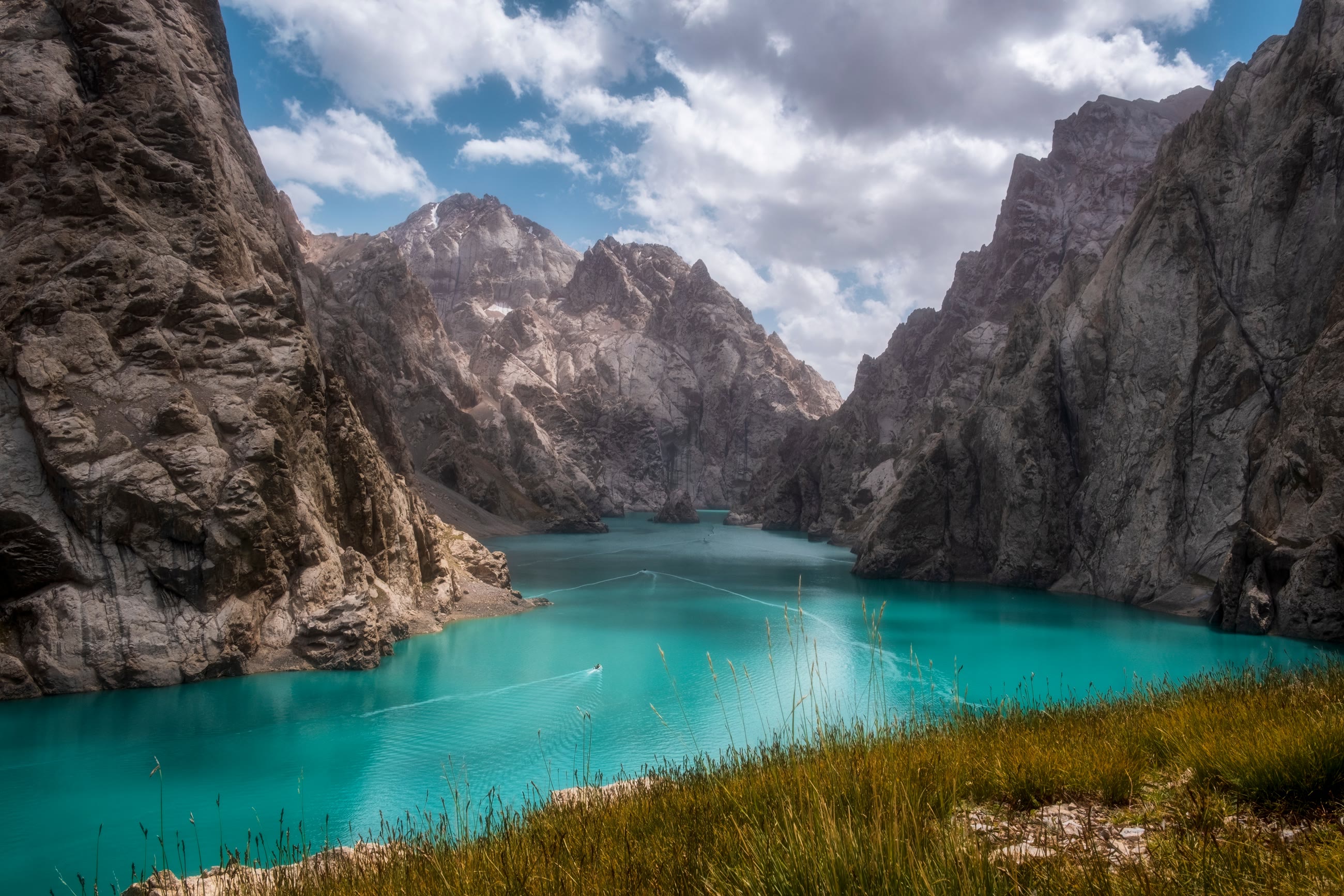
Kyrgyzstan
Kyrgyzstan
High-altitude lakes and wild tracks
Kyrgyzstan is Central Asia's last secret. High-altitude lakes in impossible colors, nomad yurts on endless pastures, and 4x4 tracks through landscapes nobody knows. Pure adventure, unfiltered.
At a glance
Exchange rates and flight times are approximate.
Why Kyrgyzstan
Lake Song-Kul
A lake at 3,000 m altitude, surrounded by pastures where Kyrgyz nomads live as they did centuries ago. A night in a yurt is non-negotiable.
Lake Issyk-Kul
The second-largest alpine lake in the world. Mountain beaches, red canyons and hot springs tucked away at altitude.
The tracks of the Tian Shan
Unpaved mountain roads between 4,000 m passes and lush green valleys. The ultimate road trip for adventurous souls.
The right season for Kyrgyzstan
July to September (mountain summer: 15-25°C during the day). Avoid April-May (rain, passes still snowed in) and December-February (snow and cold at altitude: -15°C to -25°C). September-October brings crystal-clear skies and the first snow on the high peaks.
Continental mountain climate: short, mild summers in the valleys, cool nights. Altitude matters: Song-Kul sits at 3,000 m, Tian Shan passes at 4,000 m and above. Pack warm layers even in June-August. Little rainfall (steppe and alpine pastures).
The must-sees
Song-Kul Lake
Authentic nomad life at 3,000 m: a night in a Kyrgyz yurt, horses, endless pastures and a sunrise like no other.
Issyk-Kul Lake
The world's second-largest alpine lake, 182 km of shoreline, mountain beaches, hot springs and red canyons (Barskoon, Jyrgalan).
The Bishkek-Naryn road (western Tian Shan)
Gravel 4x4 tracks over passes above 4,000 m, lush valleys and isolated Tian Shan villages: a raw road trip for adventurous souls.
Jyrgalan reserve & canyons
3-4 day treks through sculpted canyons near the lake, hidden hot springs, few tourists, total immersion.
Bishkek (the capital)
Shaded parks, the central market (Osh Bazaar), the National History Museum, Soviet-era cafes: a practical base before the adventure.
Issyk-Ata plateau
A classic mountain trek, thermal caves, views over the Ala-Too range, a hiking base close to Bishkek (1-2 days).
Local flavours to try
- Laghman: hand-pulled noodles in a rich broth with meat and vegetables (Central Asia's national dish)
- Plov: rice, carrots, onions and slow-cooked mutton, in a Kyrgyz version more pared-down than the Uzbek one
- Manti: small steamed meat dumplings, a nomad specialty served in broth or with sour cream
- Beshbarmak: handmade pasta and boiled meat ('five fingers'), the traditional festive dish
- Kumis: fermented mare's milk, the sacred drink of the nomads, slightly alcoholic, found everywhere in summer
- Shorpa: mutton soup with mountain herbs, deeply comforting after a trek, served hot in guesthouses
Practical tips
- Permits/registration: some areas (summits, the Chinese border) require government permission. Book with a local trekking agency and registration is included.
- Roads & 4x4: rough dirt tracks, but manageable. A local 4x4 agency is essential from June to September. A mountain guide adds safety (pass conditions are unpredictable).
- Connectivity: Beeline & O! (local operators) sell cheap SIM cards (€5-10); signal in the valleys, weak in the mountains. No reliable 4G outside Bishkek.
- Money & cards: cash som is a must (few ATMs in the mountains). Withdraw in Bishkek. No card payments in guesthouses or yurts. Plan your cash budget from day one.
- Acclimatization: you land at 800 m (Bishkek), then climb quickly to 3,000+ m. A first night at Issyk-Kul (~1,600 m), then Song-Kul (~3,000 m) makes a sensible progression. Altitude sickness is possible: hydrate and rest.
- People & language: warm, welcoming locals speaking Kyrgyz and Russian. English- and French-speaking guides available through agencies. Magic word: thank you is 'Rahmat' (Kyrgyz) or 'Spasibo' (Russian).
Frequently asked questions · Kyrgyzstan
What is the best month to visit Kyrgyzstan?
July-August: stable weather, springs open, comfortable yurt nights (but more visitors). September: golden landscapes, crisp skies, fewer people. Avoid before June (snow, closed passes) and after October (mountain cold).
Do I need a guide? Can I trek alone?
For Song-Kul and the high passes, a guide plus 4x4 is strongly advised (safety, unpredictable terrain). Around Issyk-Kul it's less demanding. A local agency means insurance, nomad-grade equipment and local contacts; we recommend not heading into the mountains alone.
Is a nomad yurt actually comfortable?
Basic but authentic: mattresses on carpeted floors, thick blankets, a stove in the middle. Toilets are a bucket outside. Water comes from a well or river (a thermos is provided). An immersive experience with little luxury and lots of charm. Guesthouses offer proper bathrooms, electricity and more comfort.
Are there any safety risks?
Kyrgyzstan is a safe country for tourism. The Chinese and Tajik borders are restricted zones (a guide obtains the required permit). Altitude and weather are the main risks. Travel insurance with mountain assistance is recommended. Check Luxembourg's official travel advice before departure.
How many days for a proper trip?
10-14 days: Bishkek (2 days) → Issyk-Kul (3-4) → Song-Kul (3) → back through the mountains (2-3). 7-8 days: Issyk-Kul plus one other site (less ideal). 16+ days: a multi-country Central Asia trip (Kyrgyzstan combined with Uzbekistan).
What total budget for a couple over 12 days?
Flights LUX-Bishkek: €800-1,200 per person. On the ground (10 days): €400-800 per person (shared guide and 4x4, yurt/guesthouse, meals, local transport). TOTAL: €1,200-2,000 per person, all-in at a simple level. Under €1,500 is possible on a shoestring; €2,500+ for high-end comfort.
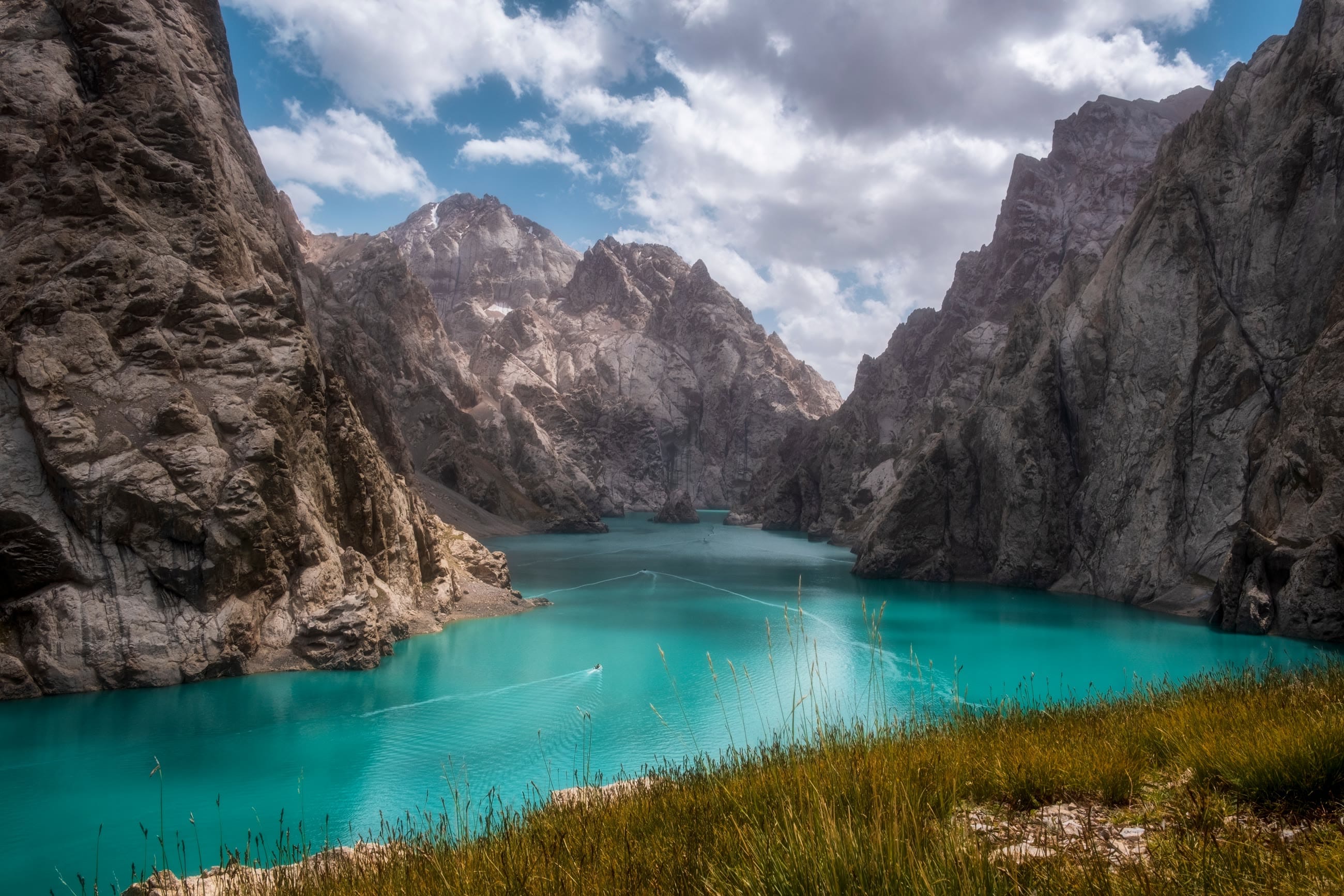
Kyrgyzstan is for those who want to go off the map. We take you there safely.
Browse a sample handbook