
Morocco
Morocco
Medinas, desert and flavours
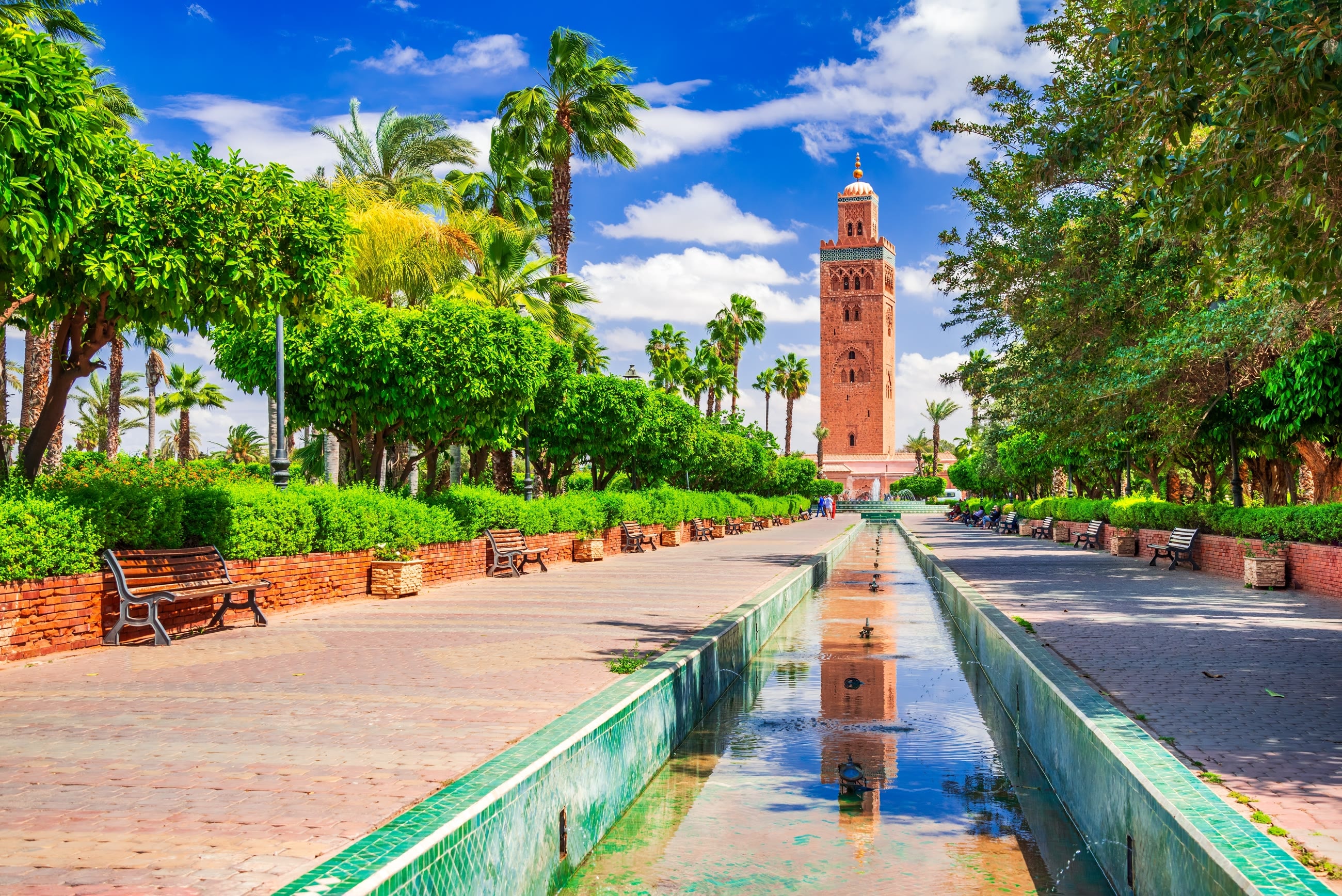
Morocco is a feast for the senses. The scent of spices in a medina, the silence of the desert under the stars, the colors of a riad in Marrakech, and the taste of a tagine cooked by a Berber family. Just a few hours' flight away, a whole other world.
At a glance
Exchange rates and flight times are approximate.
Why Morocco
The medinas
Marrakech, Fez, Chefchaouen: living labyrinths where every alley hides an artisan, a café, a surprise. We hand you the keys.
The desert & the oases
Merzouga, the dunes of Erg Chebbi, a night under the stars in a Berber camp. The experience of absolute silence.
The Atlas & the valleys
Mountain roads between the Todra Gorges, the Dades Valley and villages perched on the heights. A secret, majestic Morocco.
The right season for Morocco
March to May and September to November. Ideal: mild weather, clear skies for the desert, long days without crushing heat. Avoid: July-August (35-40°C) and December-February (rain in the mountains).
Mediterranean on the coast (temperate), continental in the mountains (Atlas), desert climate in the south. Pack light layers for the day/night swings in the mountains, plus a hat and sunscreen at all times.
The must-sees
Marrakech & its Medina
Jemaa El-Fnaa square alive with storytellers and musicians, hidden riads, spice and carpet souks. The beating heart of touristic Morocco.
Medieval Fez
The world's oldest university (9th century), a labyrinthine medina that has been car-free for 1,200 years, traditional tanneries. Morocco's historic soul.
Chefchaouen & its Blue Streets
A small mountain village painted azure blue. Bohemian atmosphere, less touristy than elsewhere, streets straight out of a storybook.
Erg Chebbi & Merzouga (Desert)
Golden dunes as far as the eye can see, a night in a Berber camp under the stars. The silence and majesty of the Sahara, within easy reach.
Todra Gorge & Dades Valley
Scenic hairpin roads, red canyons, hilltop villages. Mountain Morocco, with views you never expected to find there.
Essaouira & the Atlantic Coast
A bohemian fishing port, wild beaches, street art in the alleyways, fresh grilled fish facing the ocean. Coastal Morocco without the classic beach-resort routine.
Local flavours to try
- Lamb tagine with prunes and almonds: a slow-cooked, spiced dish served in earthenware.
- Seven-vegetable couscous: a semolina base with a delicate, comforting flavour.
- Harira: an autumn soup of chickpeas, lentils and lamb, a Ramadan tradition.
- Sweet-savoury pastilla: fine pastry layers with slow-cooked pigeon, sugar and cinnamon.
- Fresh mint tea: the sweet everyday drink, served in colourful glasses.
- Argan oil drizzled over salads or fruit: liquid gold from southern Morocco, with a nutty taste.
Practical tips
- Payment: the dirham is the only accepted currency (no euros). ATMs everywhere in cities, fewer in the mountains: withdraw cash before heading out on a trek.
- Transport: good-quality intercity buses (Supratours), shared grand taxis are cheaper, hire a car with a driver for the Atlas or the desert.
- Tipping: expected (10-15% in restaurants, a few MAD for a porter, 30-100 MAD for a guide depending on the service). Refusing a glass of tea can seem impolite: accept graciously.
- Power sockets: type C/E (French style). A converter is rarely needed, but bring an adapter.
- Language: Moroccan Arabic (Darija) rules the street, French is more than enough in hotels and restaurants. Villagers appreciate it if you try "salam alaikum".
- Accommodation: riads (traditional houses with a patio) offer the best atmosphere for the price. Book ahead in high season (March-May).
Frequently asked questions · Morocco
Do you really have to tip? Is it compulsory?
No, it's not legally required. But it is culturally expected: 10-15% in restaurants, 1-2 MAD for a porter or guide. Think of it as recognition for good service rather than a cost; local wages are modest, and a smile plus a tip goes a long way.
Can you drink tap water? What health precautions should you take?
Best avoided, especially in the mountains. Drink bottled water (sold everywhere, very cheap). Avoid ice cubes and pre-peeled fruit from street vendors. Your stomach adapts quickly; mild digestive upsets happen and are perfectly normal. Hepatitis A and typhoid vaccines are recommended (check with your doctor).
How do you explore the medinas without getting lost? Do you need a guide?
A local guide for the first 2-3 hours helps enormously (4-5 EUR/person, found at the station, your hotel or through an agency). After that, let go: getting lost is the best way to discover hidden alleyways and genuine cafés. Download offline.maps (a free app) as a backup.
When is the best time for the desert? Is a night at a camp safe?
September-October and March-May: ideal temperatures (15-25°C at night). Berber camps are safe (run by local families for decades). Sleep under the stars, drink tea by the fire, listen to the stories: this is the very essence of Morocco. A reputable agency is your guarantee of safety.
Can you rent a car? Is driving difficult?
Yes, and it's easy for an experienced driver. Rent from Hertz/Avis in the city. Be aware: driving is on the right, the highway code is loosely enforced, and traffic gets chaotic in small towns. For the Atlas or the desert, a local driver is a better bet (≈30-50 EUR/day); they know the roads and handle tolls and guides for you. Less stressful, and you learn more along the way.
Is Morocco doable for a solo traveller? How safe is it for women?
Very doable and well-trodden by tourists, so it's safe. Women travelling alone simply need to dress modestly (shoulders and knees covered in cities, more relaxed in tourist areas). The occasional inappropriate gesture or comment can happen, as in many destinations: stay alert and avoid isolated spots. Riads and small-group tours offer extra reassurance. In practice, the vast majority of encounters are friendly.
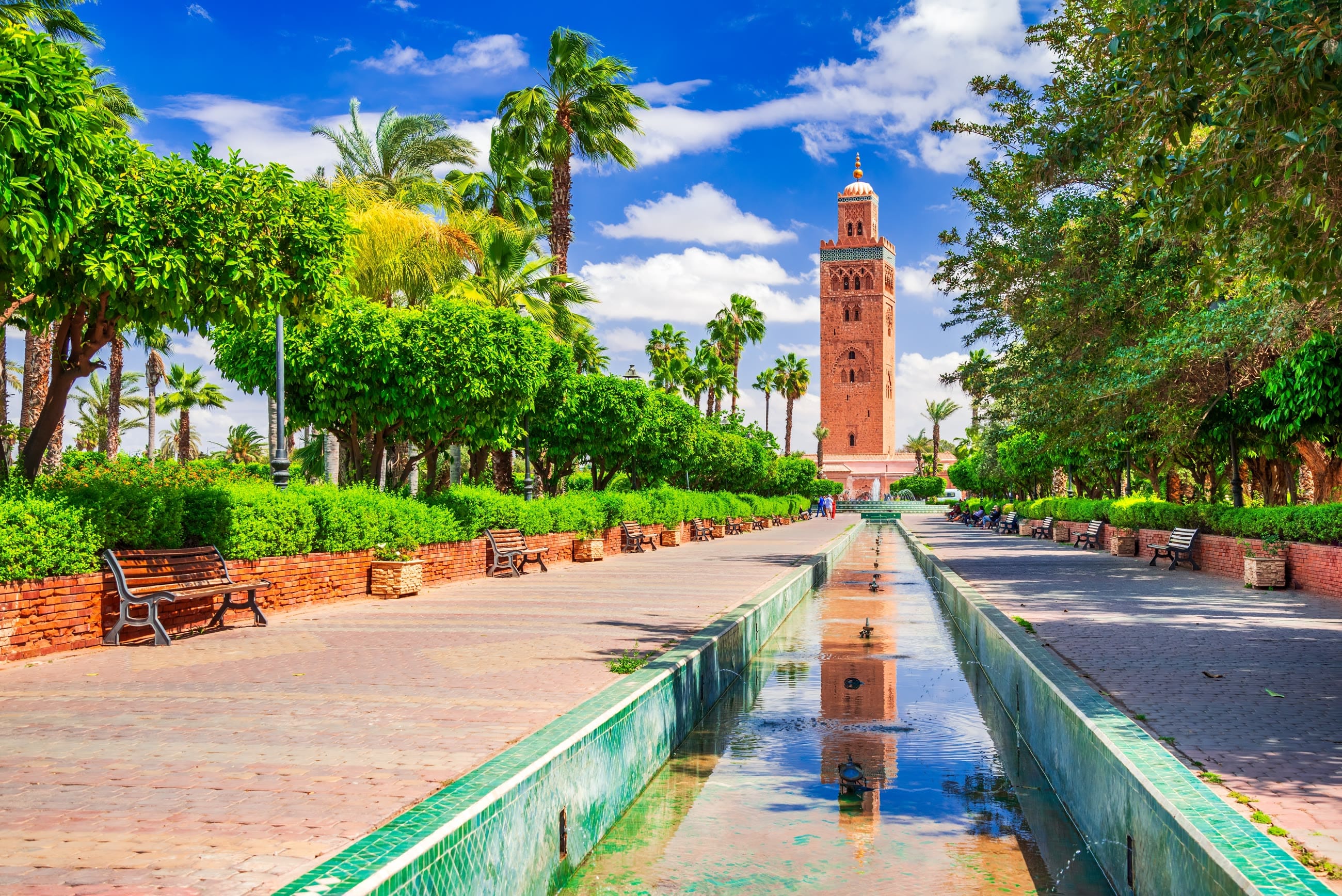
Morocco is close, easy to reach, and yet a complete change of world. We take you there differently.
Browse a sample handbook