
Indonesia
Raja Ampat
A paradise of islets and reefs
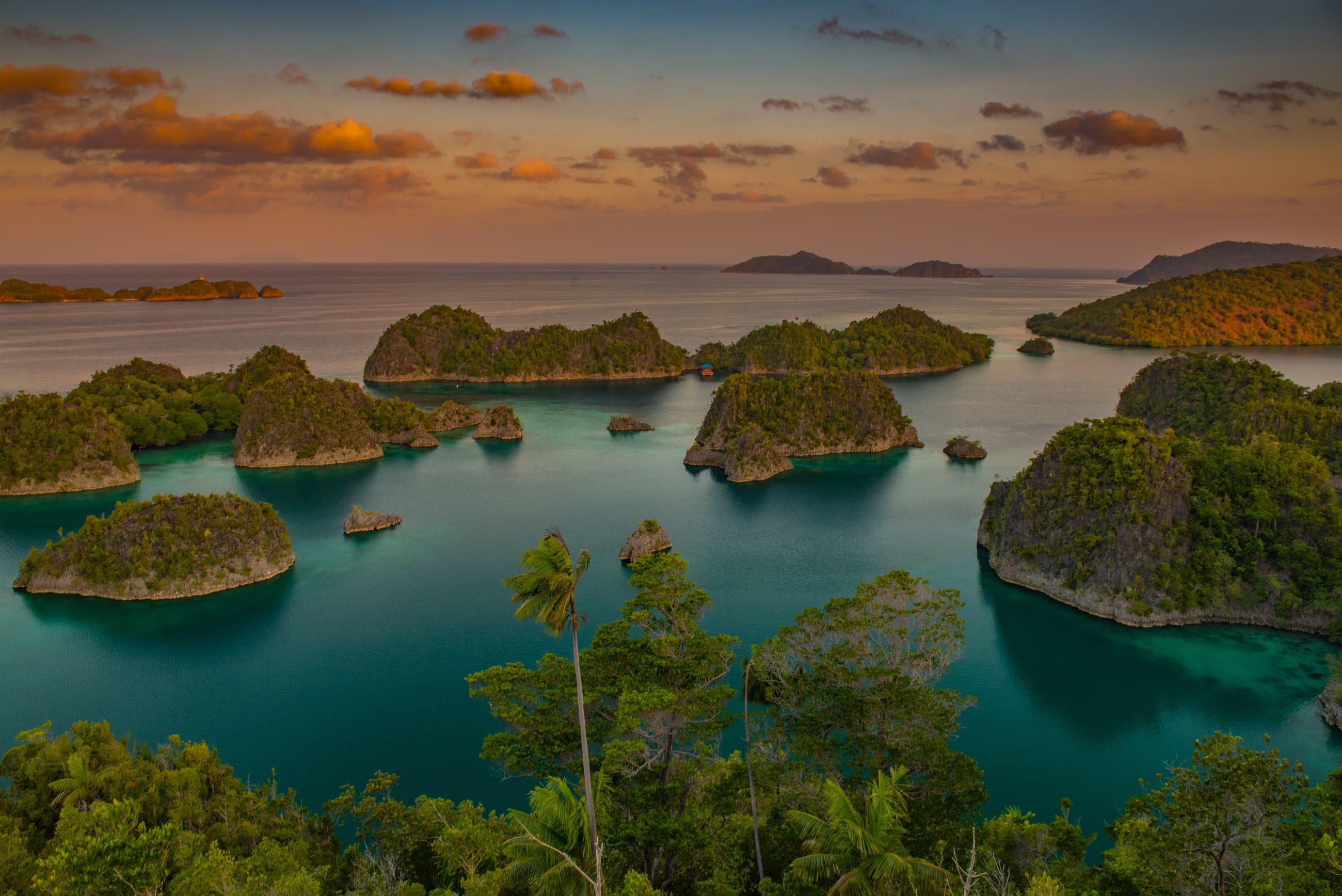
Raja Ampat is the epicenter of the world's marine biodiversity. An archipelago of more than 1,500 islands off the coast of Papua, with the richest reefs on the planet, crystal-clear waters and total isolation. For travelers, this is the holy grail.
At a glance
Exchange rates and flight times are approximate.
Why Raja Ampat
The coral reefs
75% of all known coral species live here. Diving or snorkeling, every time you slip underwater it's like a documentary playing live.
The paradise islets
Little patches of land covered in jungle, surrounded by transparent water. Jungle, sand, water you can see straight through: nothing here is retouched.
Total isolation
No signal, no crowds, no noise. Just you, the ocean, and one of the last untouched places on the planet.
The right season for Raja Ampat
October to April: dry season and the best visibility for diving. November to February brings the ideal conditions: crystal-clear water and gentle swell. Avoid May to September (monsoon, reduced underwater visibility, rough seas).
Tropical all year round. Stable temperatures (26-28°C). Pack light clothing, high-protection sunscreen (the sun is intense) and a light rain jacket for the monsoon months. Divers appreciate a 3 mm wetsuit even in the dry season.
The must-sees
The reefs of Misool
Diving and snorkeling in the richest waters on the planet. Three species of turtles, reef sharks, untouched giant corals. A natural aquarium without equal.
The Pam Islands
Pristine white-sand beach surrounded by turquoise water as far as the eye can see. Snorkeling straight from the shore, fish in explosive colours.
Kri Island and its lagoons
A traditional fishing village, sunsets over several lagoons, snorkeling spots you can walk to. Local culture beautifully preserved.
Blue Lagoon (Kabui Bay)
Kayaking between karst cliffs draped in vegetation and deep-blue water. Encounters with open-water fish. Postcard scenery that few people have found yet.
Mandarinfish at Arborek (or Sawandarek)
A dusk dive where mandarinfish emerge from the sand to dance their courtship display. A natural spectacle unlike anything else in the world.
Piaynemo (Pianemo) · karst viewpoint
Watching sea eagles and seabirds from a boat. A spectacular rocky coastline and exceptional birdlife.
Local flavours to try
- Ikan panggang: freshly caught grilled fish of the day, served with sambal and white rice, the foundation of every meal in Raja Ampat.
- Papeda: a local sago (palm starch) purée, sticky and slightly translucent, served with a fish or meat broth, a Papuan specialty.
- Paprika squid: squid seared in the pan with local spices, served in island eateries overlooking the lagoon.
- Sambal matah: a raw sauce of chilli, shallot, lime and grated coconut. Spicy, fresh, essential with every dish.
- Gado-gado: an Indonesian salad of steamed vegetables coated in peanut sauce with hard-boiled egg. Vegetarian and full of flavour.
- Grilled jumbo prawns (udang jumbo): extremely fresh seafood, often bought straight from the fishermen that same morning and grilled by noon.
Practical tips
- Transfers and USD cash: few reliable ATMs on the islands. Bring USD or EUR in cash and exchange it in Sorong. Credit cards rarely work. Packed lunch: ask your lodge to prepare a picnic if you're out on the boat for the day.
- Extreme sun exposure: SPF 50+, reapply every 2 hours. Polarised sunglasses for snorkeling (comfort and safety). A small snorkeling vest can save your day.
- Domestic flights: book ahead. Raja Ampat (via Sorong) usually requires a flight from Jakarta or Surabaya. Be ready for delays: Indonesia runs on its own clock.
- Local guides and permits: every trek and dive must be accompanied by a guide. Non-negotiable (conservation + safety). Your lodges arrange them.
- Learn a few words of Bahasa: thank you (terima kasih), good morning (selamat pagi), yes/no (ya/tidak). Islanders genuinely appreciate the effort.
- Electricity & connectivity: outages are common. Lodges run on generators. Zero reliable mobile coverage on the islands, and that's by design. A power bank is a must.
Frequently asked questions · Raja Ampat
Do you have to be a certified diver to enjoy Raja Ampat?
Not at all! Snorkeling gives you 80% of the wonders. The shallow waters (2-8 m) let you see sharks, rays, turtles and giant corals without a tank. Only certified divers can reach the deep wrecks and caves, but that's a bonus, not a requirement.
How remote and isolated is it really?
Raja Ampat has no roads and no widespread electricity. You get around by speedboat or kayak. Lodges are often reachable only by speedboat. There are no chain hotels, no trendy restaurants, no WiFi. The isolation is intentional, and it's exactly what keeps the place so pure. Lodges serve communal meals around a shared table.
Is the budget really affordable compared to the Maldives?
Yes. The waters are as beautiful as the Maldives (if not richer in biodiversity), but the absence of mass tourism infrastructure keeps the eco-lodges more affordable. Expect €100-150 / day versus €250-400 in the Maldives. Activities (boat/diving) cost less because they're run locally.
What's the ideal length of stay?
8 days minimum, so you don't lose 2-3 days just getting there and back. 12-14 days is ideal: you have time to settle in, explore several islands and wait out the weather (plans shift with the waves). Any shorter and it gets frustrating.
Are there any notable health risks?
Hygiene standards vary. Avoid tap water, ask for bottled water. There is no proper hospital in the archipelago, so take out evacuation insurance. Malaria is very rare in the dry season, negligible. Modern lodges meet the standards. Yellow fever vaccine recommended (not mandatory).
How do I book and organise it all without an agency?
Possible, but tricky. Flights + connections make for a complicated DIY project. Our recommendation: get some help (that's exactly what we do). We arrange the Sorong → lodge transfer, book the guides and handle the surprises. The small extra cost is well worth the peace of mind.
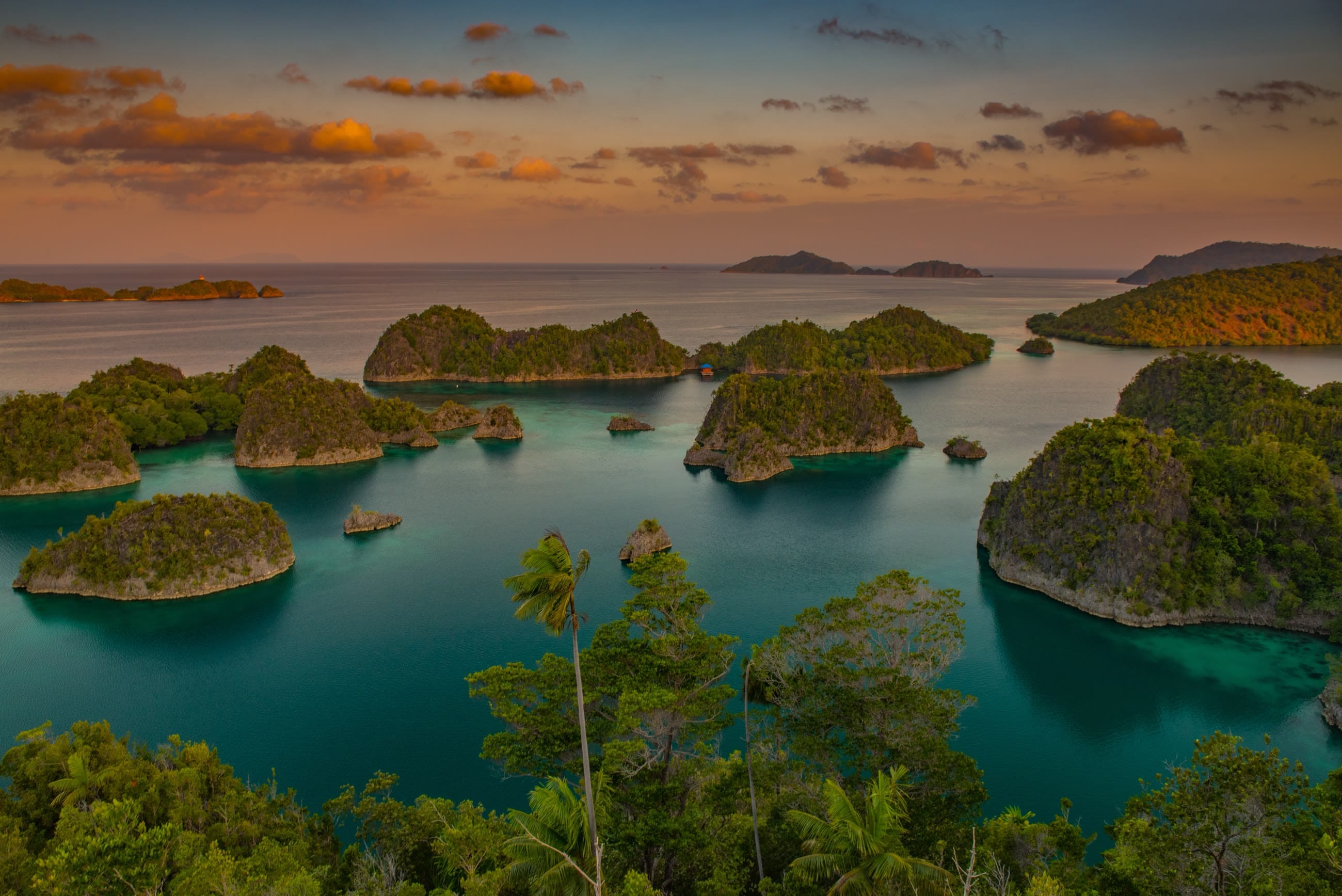
Raja Ampat is the trip of a lifetime for those who want to see nature at its peak. We take care of every detail.
Browse a sample handbook