
South Africa
South Africa
Safari, rugged coastline and vineyards
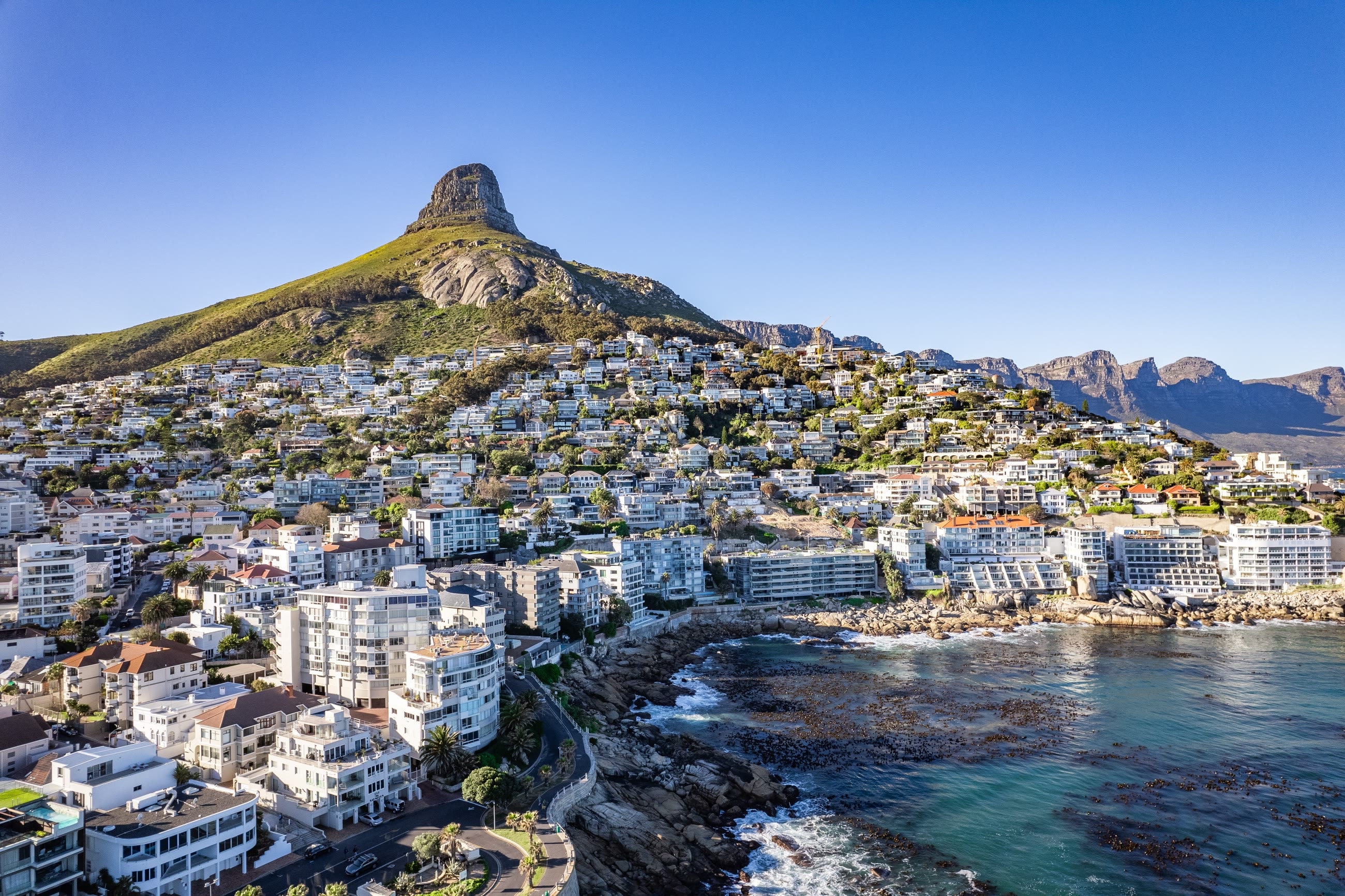
South Africa is a world in miniature. Sunrise safaris in the Kruger, a wine route facing the Cape mountains, diving with great white sharks, and Cape Town, perhaps the most beautiful city in the world. One country, a thousand journeys.
At a glance
Exchange rates and flight times are approximate.
Why South Africa
The Kruger & safaris
The Big Five in their natural habitat. Lodges deep in the bush, sunrises over the savanna. Africa the way you dream it.
The Garden Route
From Cape Town to Port Elizabeth, between wild coastline, the Tsitsikamma forests and vineyards. One of the most beautiful road trips on the continent.
Cape Town & the winelands
Table Mountain, Camps Bay, colorful Bo-Kaap. And 30 minutes away: Stellenbosch, Franschhoek, some of the most beautiful wine estates in the world.
The right season for South Africa
May to September for safari (dry southern winter, wildlife gathered at the waterholes, clear skies). October-November: whales and blooming season around the Cape. Nov.-March: hot and humid in the Kruger, trickier for wildlife spotting.
Subtropical/Mediterranean climate. Cape Town: mild, windy autumn (April-May), cool wet winter (June-August). Kruger/North: very hot and humid summer (November-February), dry pleasant winter. A light rain jacket is a good idea everywhere.
The must-sees
Kruger National Park
One of southern Africa's largest parks. Safari from a private lodge or self-drive. Big Five sightings 95% guaranteed between July and October.
Cape Town & Table Mountain
The most beautiful city on the continent, crowned by its iconic mountain. Cable car, hike or helicopter. 360° views over the bay.
The Garden Route
A spectacular 300 km coastline between Cape Town and Port Elizabeth. Tsitsikamma forests, sheer cliffs, secret coastal villages.
The vineyards of Stellenbosch & Franschhoek
The country's premier wine region. Tastings at century-old estates, mountains as a backdrop, stellar dining.
Cape Point & the Cape of Good Hope
Cape Point marks the southwestern tip of the Cape Peninsula (not to be confused with Cape Agulhas, the true meeting point of the two oceans, further southeast). Historic lighthouse, dizzying cliffs, a nature reserve with baboons and antelopes, panoramas over False Bay.
Cage diving with great white sharks (Gansbaai, near Hermanus, the world capital of the sport; also possible at Mossel Bay)
Cage diving with the ocean's great predators. Raw adrenaline in cold water. An unforgettable moment (shivers guaranteed).
Local flavours to try
- Gatsby (a giant sandwich stuffed with fries, sauce and meat, Cape Town street food)
- Bobotie (a spiced meat bake, a colonial-era tradition, sweet and savoury)
- Biltong & droëwors (dried meats, smoky flavours, local snacking staples)
- Snoek (white fish, grilled or smoked, a coastal specialty)
- Perlemoen (abalone, a delicate sea mollusc, a prized specialty of the Cape coast)
- Milk Tart (Melktert, a vanilla-cinnamon dessert, an Afrikaans specialty)
Practical tips
- Transport: rent a car with a valid international driving permit (well-maintained roads) or go with a tour operator (safer, more expert safari).
- Safety: Cape Town & Kruger are safe for tourists. Avoid the townships without a guide. Stay alert at night in the big cities.
- Electricity: 230 V, type M sockets (3 large round pins, specific to South Africa), bring a dedicated adapter. Power cuts (load-shedding) are possible: a torch comes in handy.
- Health: tap water is drinkable. Antimalarials recommended for Kruger & the North (see your doctor). Vaccines: yellow fever if arriving from an affected part of Africa.
- Money: free ATM withdrawals in the cities. Visa/Mastercard accepted. Tips: 10-15% in restaurants, ZAR 10-20 per bag for porters.
- Essential apps: offline Google Maps, Uber/Bolt in Cape Town, WhatsApp for the lodges (cheaper than SMS).
Frequently asked questions · South Africa
When is the best season for safari?
May to September (dry southern winter, low vegetation, wildlife gathered at the waterholes). June-July = peak predation and sightings. But October-November = also good, less cold, with whales visible along the coast.
Kruger vs private reserves: what's the difference?
Kruger = national park, affordable, self-drive or group tours. Private reserves = all-inclusive luxury lodges, expert guides, wildlife just as dense. Far more expensive, far more intimate. Our advice: mix the two depending on your budget.
Do you need vaccinations for South Africa?
Not mandatory (except yellow fever if arriving from affected areas). Antimalarials recommended for Kruger & Limpopo. See a doctor 4 weeks before departure. Zika, dengue: very rare but possible from spring to autumn in the North.
Rental car or organised tour?
A car means freedom = an unbeatable road trip (Garden Route, winelands). A guided safari is essential in the Kruger (better sightings, safety, stories). Budget: car €50-80/day, fuel €100-150 (1,500 km), safari €200-400 (lodge).
How many days minimum to 'really' discover it?
10-12 days is ideal: 4-5 days Kruger or a reserve, 3-4 days Cape Town + Winelands, 2-3 days Garden Route + coast. Less? 8 days is doable but stressful. More? Beyond 12 days, you can add the Drakensberg, the Blyde River Canyon or a coastal extension (Durban, Wild Coast).
What's the difference between Stellenbosch and Franschhoek?
Stellenbosch = accessible wine country, easy roads, relaxed tastings, lively student towns. Franschhoek = a more elegant niche, centuries-old estates, fine dining, colonial architecture, more secluded and pricier. Do both.
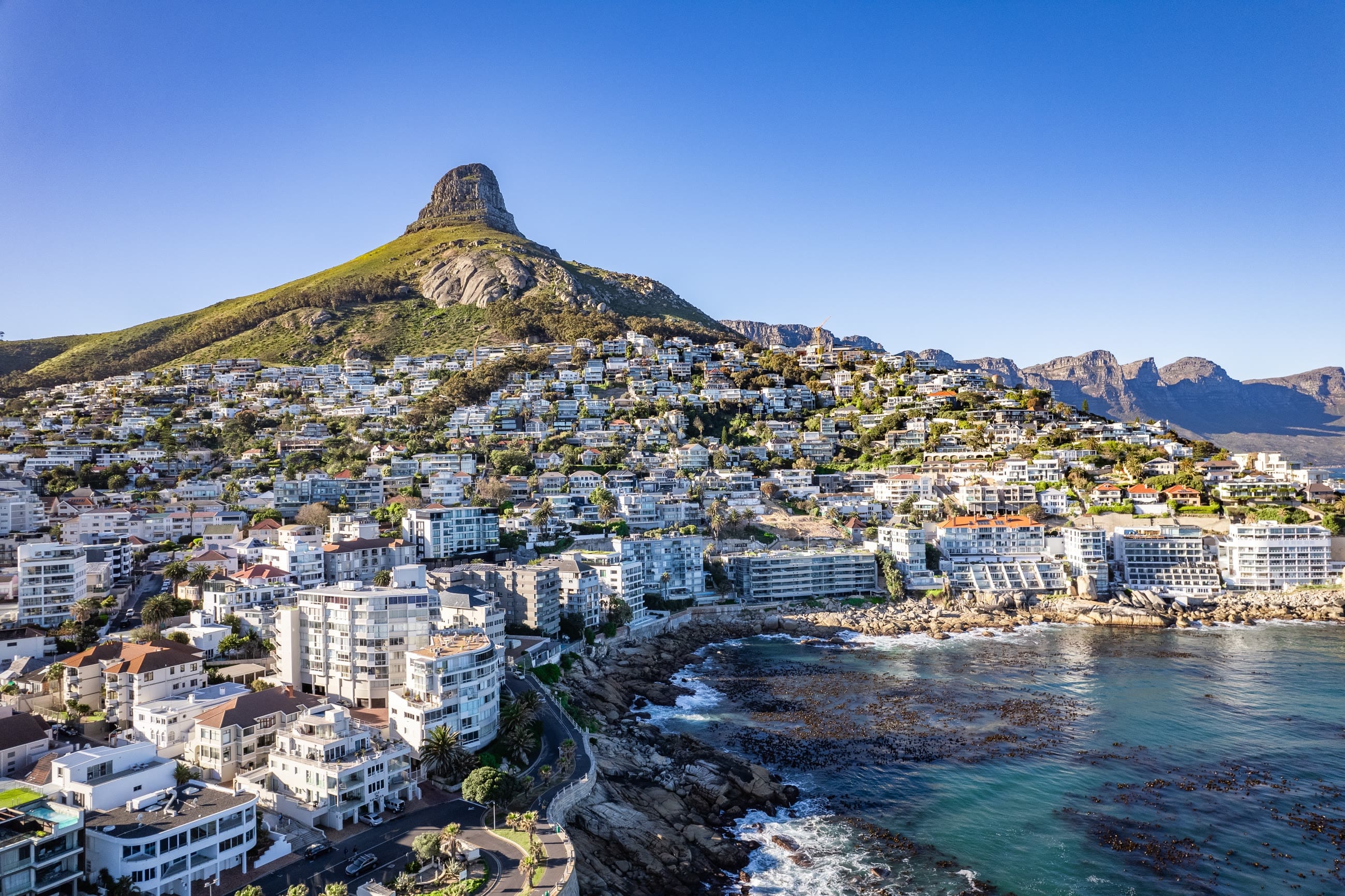
South Africa is the country everyone wants to go back to. Let us show you why.
Browse a sample handbook