
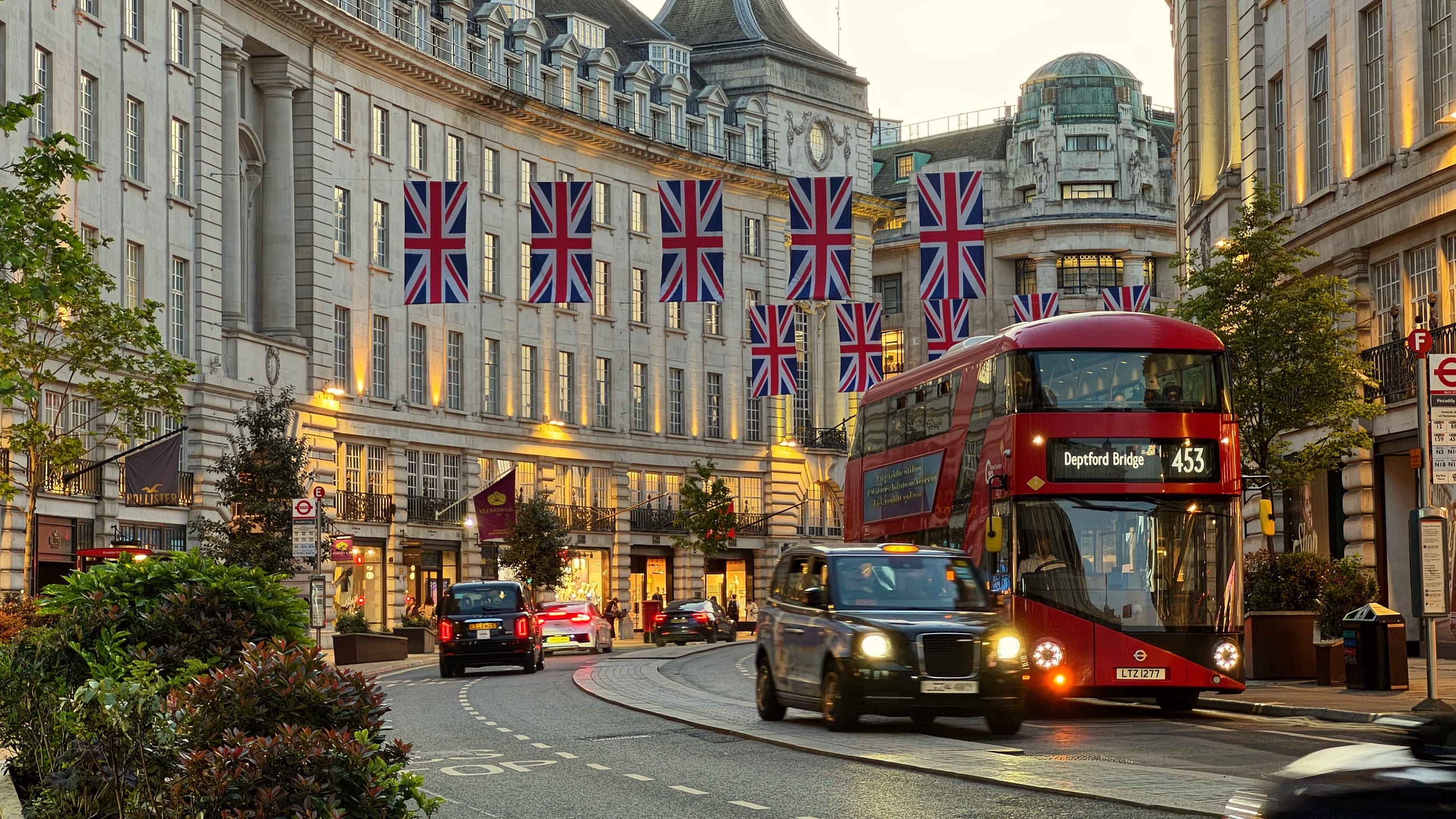
United Kingdom
United Kingdom
City breaks between history and modernity
The United Kingdom goes far beyond the red phone box clichés. It's a weekend in a historic Cotswolds pub, a walk through the Scottish Highlands under a dramatic sky, or London's creative scene reinventing itself every season.
At a glance
Exchange rates and flight times are approximate.
Why United Kingdom
London, unfiltered
Beyond Big Ben: the markets of Shoreditch, the rooftops of Peckham, tucked-away bookshops and the best street food in Europe.
Wild Scotland
The Highlands, the Isle of Skye, Edinburgh in the mist. A country within a country, with its own rules and its own magic.
Pubs, castles & countryside
The Cotswolds, the Lake District, Bath: deepest England, the England of fireplaces, tea and immaculate gardens.
The right season for United Kingdom
June to September: long days, stable weather (15-22°C), less frequent rain. Avoid December to February (grey, short, cold days) and the August school holidays (crowds). The Highlands in spring (May) or early autumn (September): shifting colours, fewer visitors.
Temperate oceanic climate. Frequent but short showers, rarely snow. Mild winters (0-8°C), cool summers (15-22°C). Pack a rain jacket in any season. Skies are often grey and sunshine variable; in summer, sunscreen and sunglasses still come in handy.
The must-sees
London (Westminster + South Bank)
Big Ben, Parliament, Tower Bridge, the Thames. Free museums (British Museum, National Gallery). Bohemian Shoreditch. 2-3 days is enough, then move on.
Edinburgh & the Royal Mile (Scotland)
A medieval old town perched along a ridge, a castle at the top, legendary pubs. A one-of-a-kind atmosphere; Edinburgh breathes history.
The Cotswolds (Gloucestershire)
Honey-stone villages: Bourton-on-the-Water, Bibury, Chipping Campden. Classic English countryside, walks between green rolling hills.
Isle of Skye (Scottish Highlands)
Old Man of Storr, the Fairy Pools, the Cuillin mountains. Wild, misty, dramatic landscapes. To see at least once in a lifetime.
Windsor Castle & the Thames Valley
A major royal residence with majestic gardens, an easy day trip from London. Add Hampton Court and Kew Gardens for the botanically inclined.
Cornwall and the south coast (Devon/Cornwall)
The cliffs of Tintagel, the surf beaches of Polzeath, secret coves. The A30 coastal drive is one to remember. A little forgotten paradise.
Local flavours to try
- Fish and chips from a proper chip shop: battered fried fish (often beer-battered), served wrapped in paper (once upon a time, newspaper).
- Sunday Roast: roast chicken or lamb, Yorkshire pudding, vegetables and gravy. A weekly ritual in the pubs.
- Afternoon tea: black tea (English Breakfast, Earl Grey) with scones, clotted cream, jam and finger sandwiches (cucumber, salmon).
- Cornish pasty: a pastry pocket filled with meat, potato and turnip, from Cornwall, the perfect road-trip snack
- Bubble and squeak: leftover roast vegetables fried up with potatoes. Authentic pub food.
- Scottish haggis: spiced lamb and mutton offal in a casing, served with mashed neeps. Worth trying once.
Practical tips
- Transport: get an Oyster Card in London (discounted Tube and buses); a weekly Travelcard works out far cheaper than paying day by day.
- Plugs: UK three-pin sockets (different from the continent). A universal adapter is recommended (cheap in any supermarket).
- Tipping: around 10-15% in restaurants (not compulsory), round up or 5-10% in pubs. Never enforced like in the US.
- Money: cards accepted everywhere, ATMs are plentiful. £1 and £2 coins are common, 1p to 10p coins less useful.
- Alcohol: pubs often close at 11pm (except in city centres). Wine and spirits are very expensive (taxes); beer and cider are excellent and affordable.
- Driving on the left: speed limit 70 mph on motorways (112 km/h), 50 mph on ordinary roads. The M6 Toll is a paid road (have a card or cash ready). Note: the Severn Bridge toll was scrapped in 2018, so crossing is now free. Petrol costs more than in continental Europe.
Frequently asked questions · United Kingdom
Is it really always grey and wet?
The stereotype is exaggerated. Summer can be gorgeous and sunny. Showers are frequent but short. Pack a light waterproof jacket and you're set. The real challenge is how short the days are in winter, not the weather.
Is it more expensive than Paris?
London, yes (hotels €80-150/night, restaurants on a par with Paris). But here's the big win: major museums are free (British Museum, National Gallery, V&A). Alcohol and tobacco are very pricey. Outside London, it's cheaper.
Can you drink the tap water?
Yes, tap water is safe and of excellent quality everywhere. No need to buy bottled water.
Should you get out of London?
Absolutely. London for 2-3 days, then the Cotswolds (dream villages), Edinburgh (medieval chaos) or the Isle of Skye (pure wilderness). The real magic lies outside the capital. People out in the regions are far more welcoming too.
How many days at a minimum?
4-5 days to get a feel for London plus one region (Cotswolds or Edinburgh). 8-10 days is the sweet spot (London + Scotland + a stretch of coast). 12+ to really explore without pressure.
Car or public transport?
Public transport is excellent (trains, buses). A car helps for the remote Highlands (Skye, Glencoe). In London, walk or use an Oyster Card (discounted Tube and buses). Driving on the left: easy after a couple of hours, and roads are well signposted.
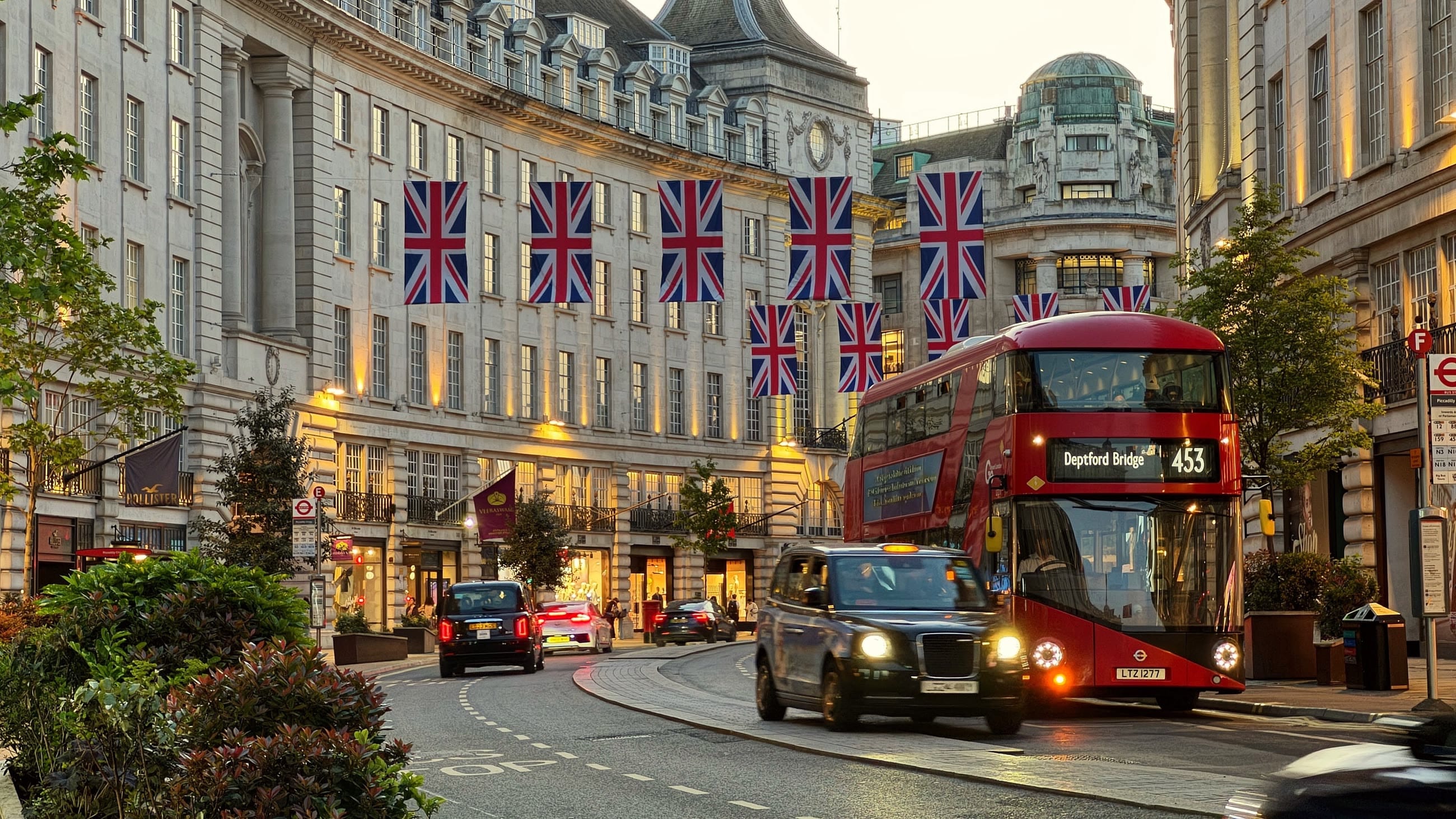
The United Kingdom has to be earned: you need to know where to go. Luckily, that's exactly what we do.
Browse a sample handbook