
Savings of up to 40% on flights and hotels, places returned to their locals, light that summer never sees. Why we so often steer our travellers towards the low season, with four concrete windows and the real limits to know before you book.
It is probably the piece of advice we repeat most often to our travellers: shift your dates. Two weeks, a month, sometimes a whole season. The same country, the same landscapes, often the same hotels, for 20 to 40% less, and an experience that is nothing like the same: lanes where you hear the local language, sites you actually look at instead of filing through, a light that July never sees. Here is our case for the off season, with the numbers, four concrete windows we recommend without a second thought, and the limits it would be dishonest to hide from you.
First, let us be clear about what we mean. Off season is not necessarily the depths of low season, with hotels shut and shutters closed. Above all, it means the shoulder seasons: May and September-October in the Mediterranean, November in North Africa, the green season in the tropics. Windows when the destination still runs at 90%, but demand has halved. It is in that gap between the supply that remains and the demand that leaves that travel's best deals are found, and, more importantly still, its best memories.
Prices melt away, and not just a little
Let us start with what can be measured. On flights from Luxembourg or the neighbouring airports, the gap between mid-August and mid-October routinely reaches 30 to 50% on the same routes: a Mediterranean return at €380 in high summer regularly falls back to €200-250 six weeks later. On accommodation it is often starker still: the same room, in the same hotel, with the same view, is listed 20 to 40% cheaper outside school holidays, and the best addresses become available again without booking six months ahead. On a €3,000 trip for two, shifting by a few weeks frequently frees up €600 to €900: enough to add three nights, upgrade the accommodation, or simply come home with your budget intact.
Places returned to their locals
The financial argument persuades, but it is not what makes us insist. Off season, a place becomes itself again. The terraces fill with people from the neighbourhood, shopkeepers have time to chat, the major sites can be visited at the pace of contemplation rather than the pace of the queue. We have seen travellers come back transformed by an October in Dalmatia or a November in Marrakech, not because they had seen something different, but because they had finally seen the same thing without the crowd that was hiding it. It is also a matter of balance for the locals: travelling off season means spreading your presence to where it is welcome, at the moment when it sustains local businesses instead of saturating them.
The light, the argument the comparison sites ignore
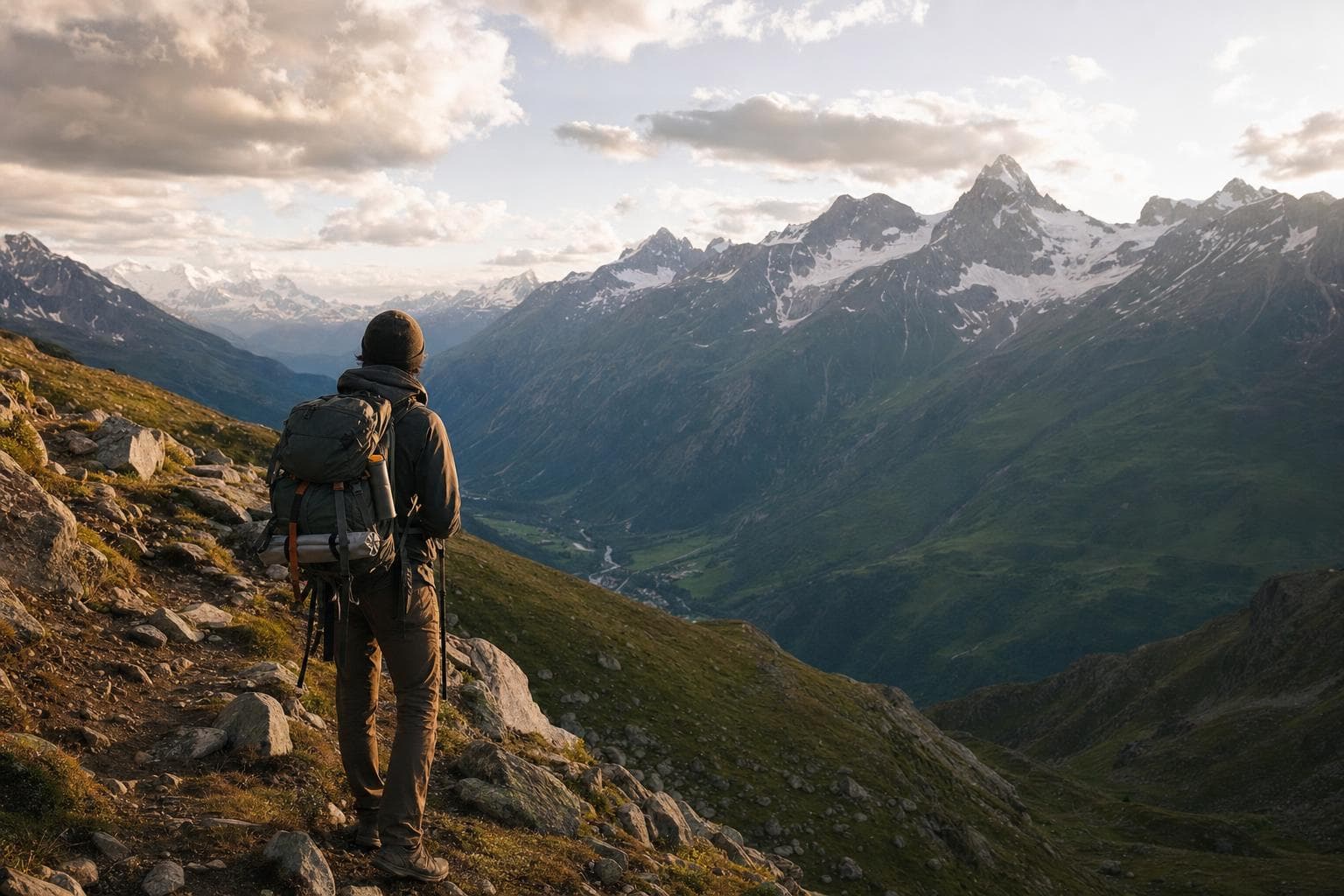
Nobody puts light into a spreadsheet, and yet it changes everything. Autumn lays a low, golden light across southern Europe that lasts for hours, where the August sun flattens everything from 10 am. Winter offers dramatic skies, morning mists over the valleys, golden hours that stretch on and on. Photographers have always known it: the finest travel images are rarely made in high season. If you like bringing home photos that look the way the trip felt, this is an argument worth real money.
Four windows we recommend without a second thought
- Croatia in October: a sea still at 20-21°C, Dubrovnik and the islands returned to their locals once the cruise ships have gone, accommodation 30 to 40% below August prices. The autumn light on white Dalmatian stone is a show in itself.
- Iceland in May: 16 to 20 hours of daylight, main roads clear, accommodation and car hire still 20 to 40% below July rates, and the puffins back on the cliffs. The only real restriction: the highland tracks stay closed.
- Morocco in November: 22 to 26°C in Marrakech, a desert finally pleasant by day, breathable medinas and riads at gentle prices. It is the Morocco we prefer, a world away from the furnace of July.
- Bali in the green season (November to March): rice terraces at their most intense green, tropical showers concentrated at the end of the day rather than continuous rain, and rooms 20 to 30% cheaper than in July-August.
The real limits, without playing them down
- Seasonal closures: in the Greek and Croatian islands, a share of the hotels, restaurants and dive centres closes from November to March. Some alpine passes, mountain huts and high roads only open in summer. An August itinerary copied and pasted into January simply does not work.
- The weather: shorter days, rain more likely, a sea sometimes too cool for swimming. And not all low seasons are equal: some are in fact pronounced rainy seasons or cyclone periods, which we will frankly advise against depending on the region.
- Transport: ferries switch to winter timetables from October in Croatia as in Greece, daily connections become weekly, and excursions get cancelled for lack of participants. It is the detail that breaks a poorly researched island itinerary.
How we weigh it up for you
This is exactly where our work begins. For every off-season project, we check what the comparison sites do not show: the real closing calendars of accommodation and sites, the winter timetables of ferries and domestic connections, the weather windows region by region, the local events that push prices up for one specific week. We then build the itinerary around well-chosen bases, with an honest plan B for the grey days. And when the low season is a false economy for your project, because most of what you are coming for will be closed or under the rain, we tell you straight and suggest another window. The saving is only worth having if the trip remains the one you wanted.
“High season is often other people's season. The right season is the one that matches your trip.”
An itinerary built around you, with no packages and no middlemen?
Let's talk about your trip