
Iceland
Iceland
Volcanoes, glaciers, scenic routes
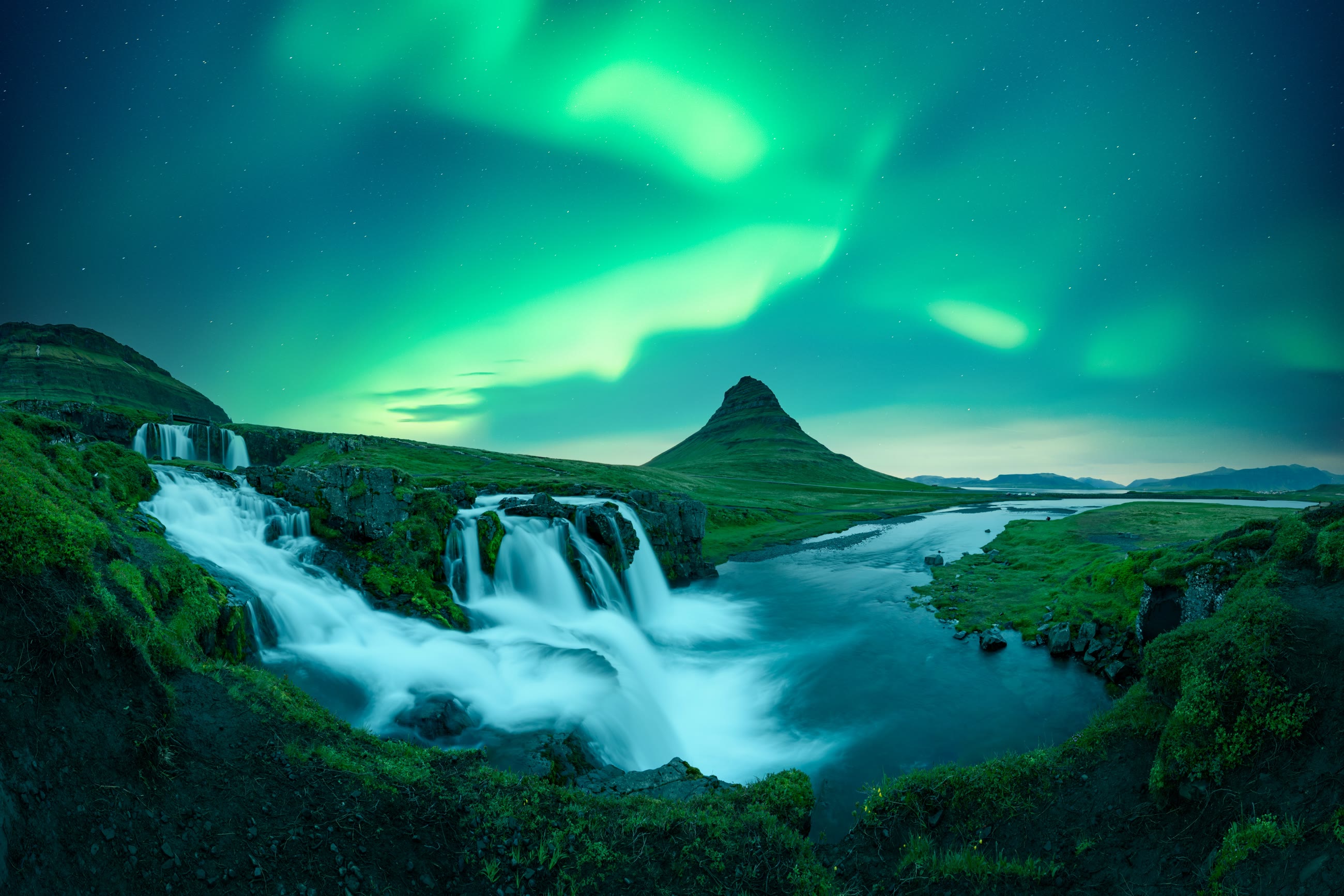
Iceland feels like another planet. Active volcanoes under glaciers, geysers erupting every ten minutes, and roads where you won't see another soul for hours. It's raw, grandiose, and impossible to forget.
At a glance
Exchange rates and flight times are approximate.
Why Iceland
The Ring Road
1,300 km around the island, past towering waterfalls, black sand beaches and glacier lagoons of an unreal blue.
Auroras & hot springs
Soaking in a natural 40°C spring under a sky full of northern lights. Enough said.
The interior Highlands
Landmannalaugar, Askja, Kerlingarfjöll: landscapes of multicolored rhyolite you can only reach by 4x4, far from everything.
The right season for Iceland
June to August for the Arctic summer and the midnight sun, or October to March for the northern lights. If you're sensitive to the cold, avoid the depths of winter (December-February, often -5°C to 0°C). May and September offer a good compromise: fewer crowds than in summer, longer nights than in July, mild temperatures (8-12°C).
Unpredictable subarctic climate: violent winds, sudden downpours, but also bursts of sunshine. Pack a heavy-duty rain jacket, thermal layers and good hiking boots. Summer stays cool (12-15°C), winter is very cold and dry.
The must-sees
Route 1 (the Ring Road)
1,300 km circling the island: giant waterfalls (Seljalandsfoss, Skógafoss), the black sand beaches of the south, glaciers and glacial lagoons (Jökulsárlón), the volcanic and geothermal region of the north (Lake Mývatn, its pseudo-craters and natural baths). It's the backbone of any trip to Iceland.
Landmannalaugar & the Highlands
Multicoloured mountains (pink, blue and yellow rhyolite) reachable by 4x4 from June to September. 1-2 day hikes among hot springs, coloured lakes and lunar landscapes. One of the most beautiful treks in Northern Europe.
The Geysir geysers & hot springs
Strokkur erupts with boiling water every 8-10 min. Nearby: Blesi with its blue pools, and natural geothermal lagoons where you can bathe at 40°C under the stars (or the midnight sun).
Jökulsárlón Glacier Lagoon
Blocks of ice floating on a turquoise lagoon, calved from the Breiðamerkurjökull glacier. Drifting icebergs, seals swimming by. A surreal contrast between the bluish ice and the lagoon's water.
Reykjavik & the Golden Circle
A compact capital with the Saga Museum, the historic geothermal public pool (Sundhöllin), and the street-food stand Bæjarins Beztu. The Golden Circle links Þingvellir (a park between two tectonic plates), Geysir and Gullfoss (a 32 m waterfall that sparkles in the sun).
Northern lights (September-March)
The sky is dark enough from Oct-Feb to watch the auroras dance. Midnight tours (9pm-1am) from Reykjavik or in the small northern villages. Patience and luck: you might see them several nights in a row, or none at all in 10 days.
Local flavours to try
- Plokkfiskur (white fish stew with a mustard sauce, served hot)
- Icelandic lamb (free-range, grazing mountain pastures in summer) slow-roasted with Nordic herbs
- Icelandic fish soup (creamy velouté with prawns, salmon and gentle spices)
- Rúgbrauð rye bread baked with geothermal steam, sweet-bitter flavour, dense texture
- Fresh langoustines from the north, often grilled in butter and garlic, without heaviness
- Skyr (thick Icelandic yoghurt, close in flavour to fromage blanc, plain or with Highland berries)
Practical tips
- A 4x4 rental is mandatory for the Highlands (F-roads, unpaved tracks). Extra insurance strongly advised (damage on mountain roads is costly). Petrol is expensive: fill up in Reykjavik or the larger towns.
- Money: ATMs everywhere, card payments are the norm. Tipping is not compulsory (service included), 10% appreciated in restaurants.
- Power sockets: type C/F (European standard). An adapter is rarely needed for Luxembourg travellers.
- Northern lights: the Aurora Alert app (real-time notifications), dark night + clear sky. October is better than December-January (more stable).
- Highlands access: F-roads are open from mid-June to mid-September only. Off-season, some tracks can close without warning.
- Drones: allowed, but keep your distance from wildlife and helipads. No registration required for tourists (< 7 days).
Frequently asked questions · Iceland
How long do you need for the Ring Road?
7-10 days minimum to do it without stress (10-12 h of total driving, but plenty of stops). 14 days is ideal to fit in the Highlands, short hikes and a rest day. Fewer than 5-6 days: too stressful, you'll miss the details.
Are there northern lights in winter (January-February)?
Yes, in theory, but the sky is overcast 80% of the time (winters are very grey). October-November or February-March offer more clear nights. Guaranteeing auroras: impossible. One week gives you a 40-50% chance of seeing at least one proper aurora display.
Do you need a 4x4 or will a normal car do?
A standard car is fine for Route 1 and the Golden Circle. A 4x4 is mandatory for F-roads (Highlands, Landmannalaugar). On a tight budget with stable weather: 2WD is possible June-August if you stay off the tracks. All-terrain tyres + chains recommended Sept-May.
Which is the best month to combine hikes + weather + auroras?
September: dark nights (auroras possible), Highland roads open, weather less harsh than winter. Temperatures 10-12°C. Or May: same advantages, but no auroras (near-constant daylight). June-August: excellent hiking, auroras impossible (midnight sun), very touristy.
Is the hot water in the springs safe to get into (legally, hygienically)?
Natural springs (Landmannalaugar, rivers): free to access, water heated naturally by geothermal activity. Sky Lagoon and Blue Lagoon (man-made lagoons): entrance fee. Hygiene is fine (filtered mineral water), algae rarely an issue. The water can be very hot: keep your head out for the first few seconds.
Can you travel solo in Iceland without mountain-driving experience?
Yes, but stick to the Ring Road (a very well maintained paved road). Route 1 is stable, the scenery is wild, and there are no technical traps. Highlands or F-roads: dangerously isolated when alone (no signal, a flat tyre = a real problem). Consider buses (Reykjavik Excursions, nature tours) or a professional driver for 4-5 days.
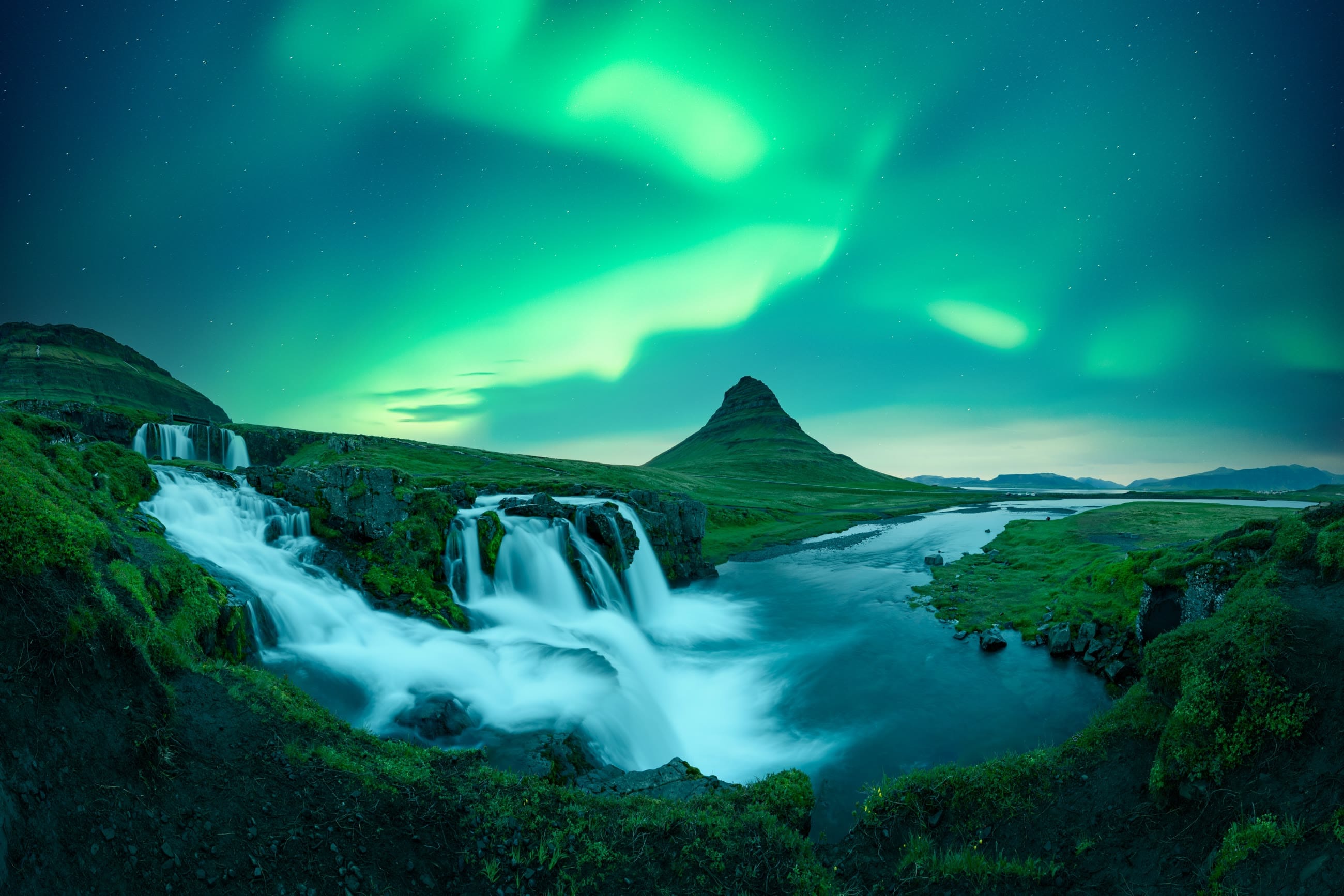
Iceland is the kind of trip you're still talking about ten years later. We map it out with you, step by step.
Browse a sample handbook